


Ziyu Deng I Communication I Outstanding BA
Ziyu is an international student from China majoring in Communication with a minor in Philosophy. Her work explores media, discourse and social inequality, with a focus on gender, marginalized groups,digital platforms and public narratives in the Chinese context. Her research paper, “From Independence to Soft Beauty: The Localization and Gender Discourse Reconstruction of European and American Female-Themed Films in China,” has been presented at the IAMCR international conference and is under review for publication.
On campus, Ziyu founded a student media center and led projects in multimedia storytelling to support college communication and student community building. Looking ahead, she plans to pursue graduate study in media, aiming to further explore issues of social inequality and develop multimedia approaches to amplify underrepresented voices.
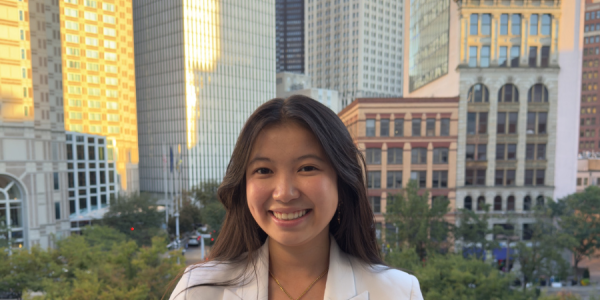
Kim-Phung Van I Psychology | Outstanding BA
Kim-Phung Van is a first-generation Vietnamese American from Colorado earning a BS in Psychology with minors in Spanish, Chemistry, and Biology. Her research is focused on health disparities and community wellbeing, contributing to projects examining intergenerational trauma in Vietnamese American communities and how social networks influence access to care. She presented at the Research and Creative Activities Symposium, where she received the People’s Choice Award in Social Sciences and Humanities, and is a contributing author on a manuscript inpreparation for publication.
Kim-Phung served as President of the Asian Student Association, leading cultural initiatives that foster community and belonging. As a Senior Cohort Lead in theCU Pre-Health Scholars Program she mentoring students pursuing careers in healthcare. She works as a medical assistant, supporting Vietnamese and Spanish-speaking patients. She plans to pursue medical school, where she hopes to become a physician focused on advancing health equity.
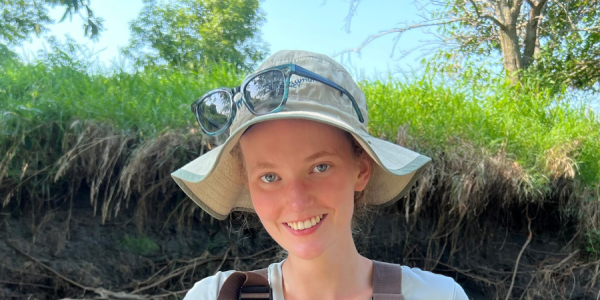
Martha Young I Integrative Biology | Outstanding MS
Martha is a second-year master’s student in the Department of Integrative Biology. Prior to graduate school, she received her bachelor’s degrees in biology and environmental science and policy in 2024 from the College of William and Mary in Virginia.
Martha is currently completing her master’s research in ecology and evolution, focusing on the effects of elevation on dragonfly and damselfly development. Martha is also a graduate teaching assistant for the department and teaches introductory biology labs alongside her research and graduate classes. Following graduation, Martha is planning tomove back to Minnesota and continue teaching.
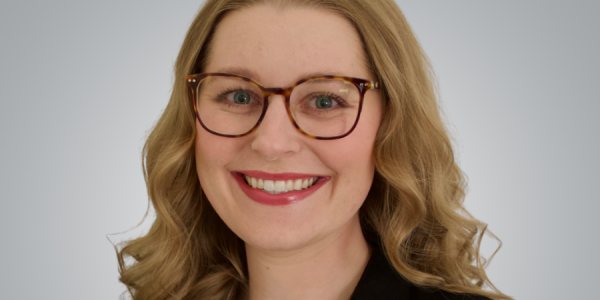
Kayley Smiley I Mathematical and Statistical Sciences | Outstanding PhD
As an Applied Mathematics PhD student, her research has focused on spatial data analysis, specifically improving on existing methods for detecting disease hotspots. She also developed a passion for teaching, culminating in the Lynn Bateman Memorial Award for Teaching Excellence.
She joined the Audit Analytics Team in the Denver Auditor's Office in 2023. As asenior data analyst, she uses statistical methods to uncover inefficiencies, detect potential fraud, and improve data quality within critical city functions.
She also enjoys sharing what she's learned on using spatial data analysis in auditing and using Python to improve efficiency in data analysis.
She plans to continue applying her knowledge in statistics to improve government accountability, support data-driven decision making, and promote equity in the communities she serves.
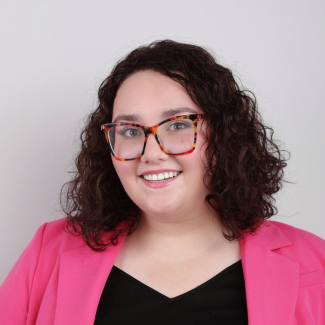 Kayla Ahr
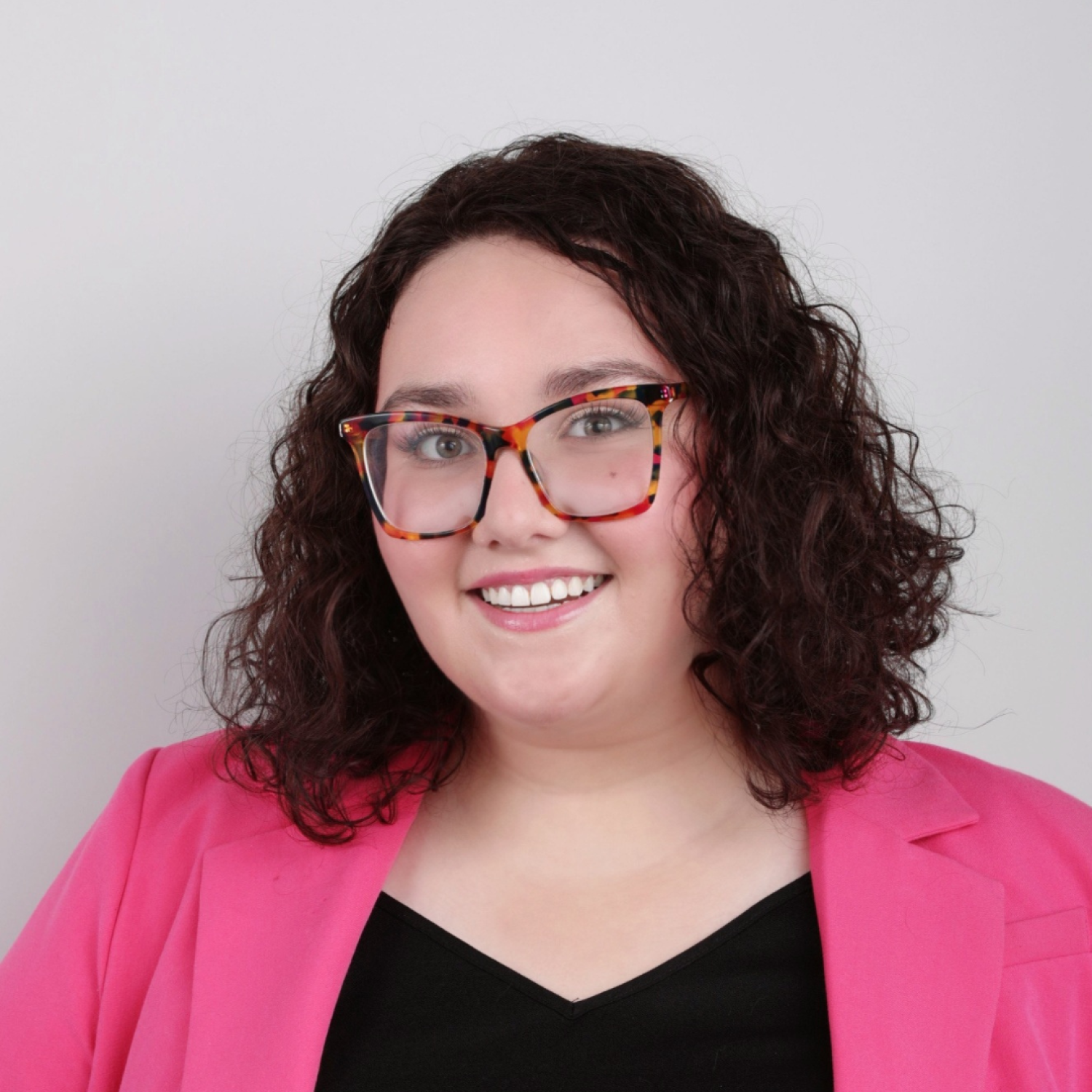
Kayla Ahr is the Director of the Denver Metro Regional Science and Engineering Fair hosted at CU Denver and has been involved since 2018. She first joined CU Denver through the University's K-12 outreach programs and completed her BA and MA in Sociology while continuing to further her leadership within the science fair program.
Kayla found her passion for academic and scientific outreach through her experience in Problem-Based Learning and values cross-disciplinary research and the importance science has in shaping our future. This appreciation has driven her career path in working to develop STEM pipeline programs to support the next generation of socially informed researchers.
Shana Médah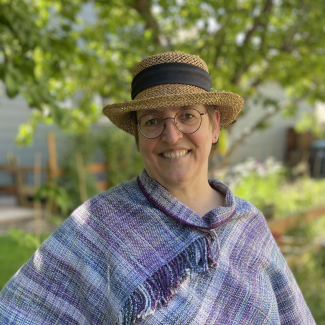
Shana has been in the CLAS Advising Office for 7 years. In 2022, she took on the role of academic advisor for CU Denver's Prison Education Program, supporting incarcerated students by demystifying the higher education system and program requirements.
Shana says, “Education changes lives, and in the case of incarcerated students, it completely transforms them. As a career educator, it feels like my professional and moral duty to support the efforts of incarcerated people who are ready to do the work to make those changes."
Brigid Kane
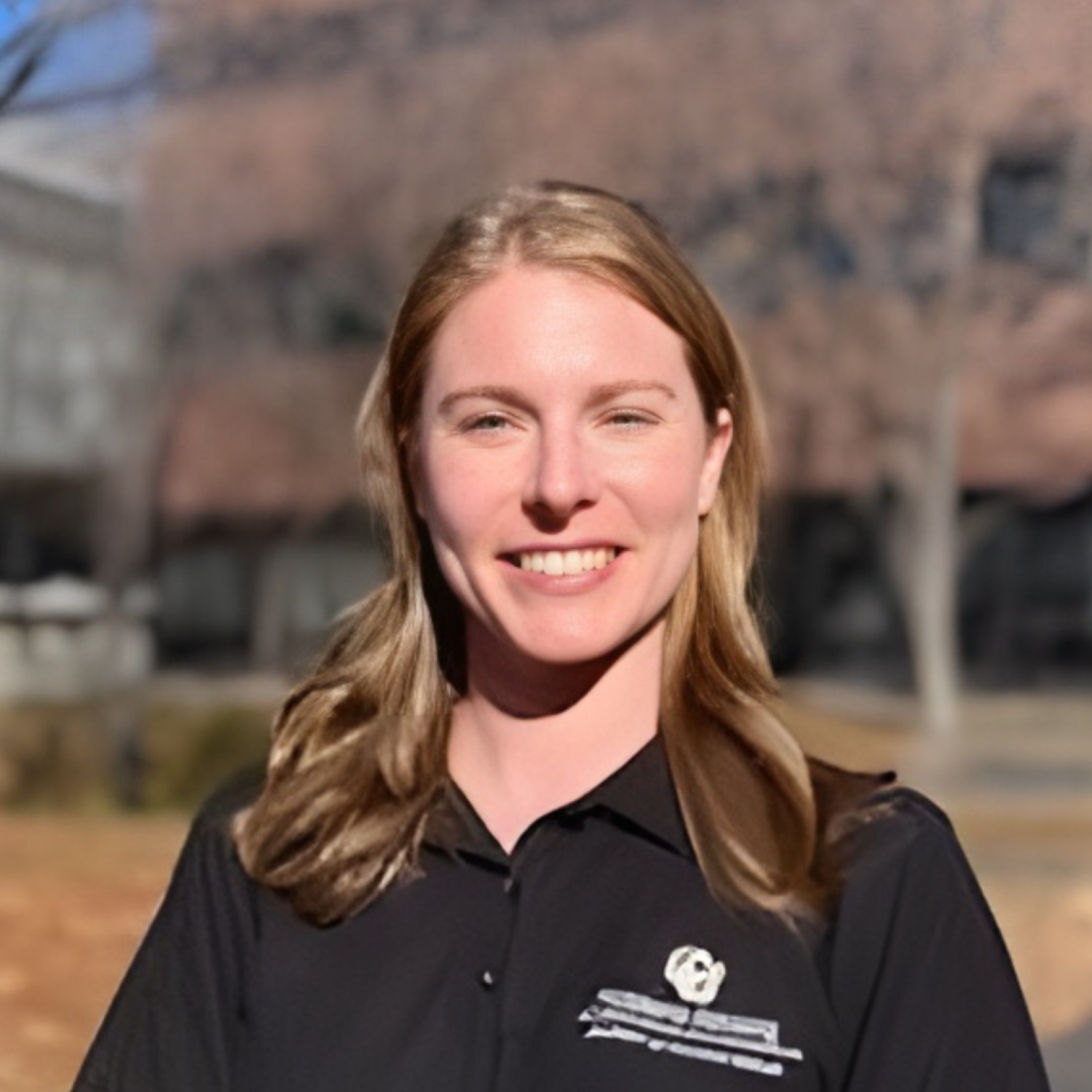
Brigid is a CLAS Academic Advisor and Academic Services Senior Professional with experience in academic advising, student engagement, and collaborative initiatives in higher education.
She supports students across the college, emphasizing graduation planning and the integration of academic and career goals.
Brigid also serves as a liaison to the social science departments within CLAS, collaborating with faculty on advising and academic planning initiatives. She is Chair of the CLAS Advising Communication Committee, leading outreach and engagement efforts to strengthen student‑centered advising communication.
Kristen Kang Salsbury 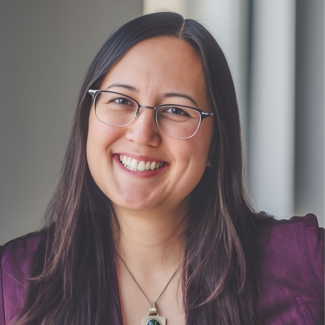
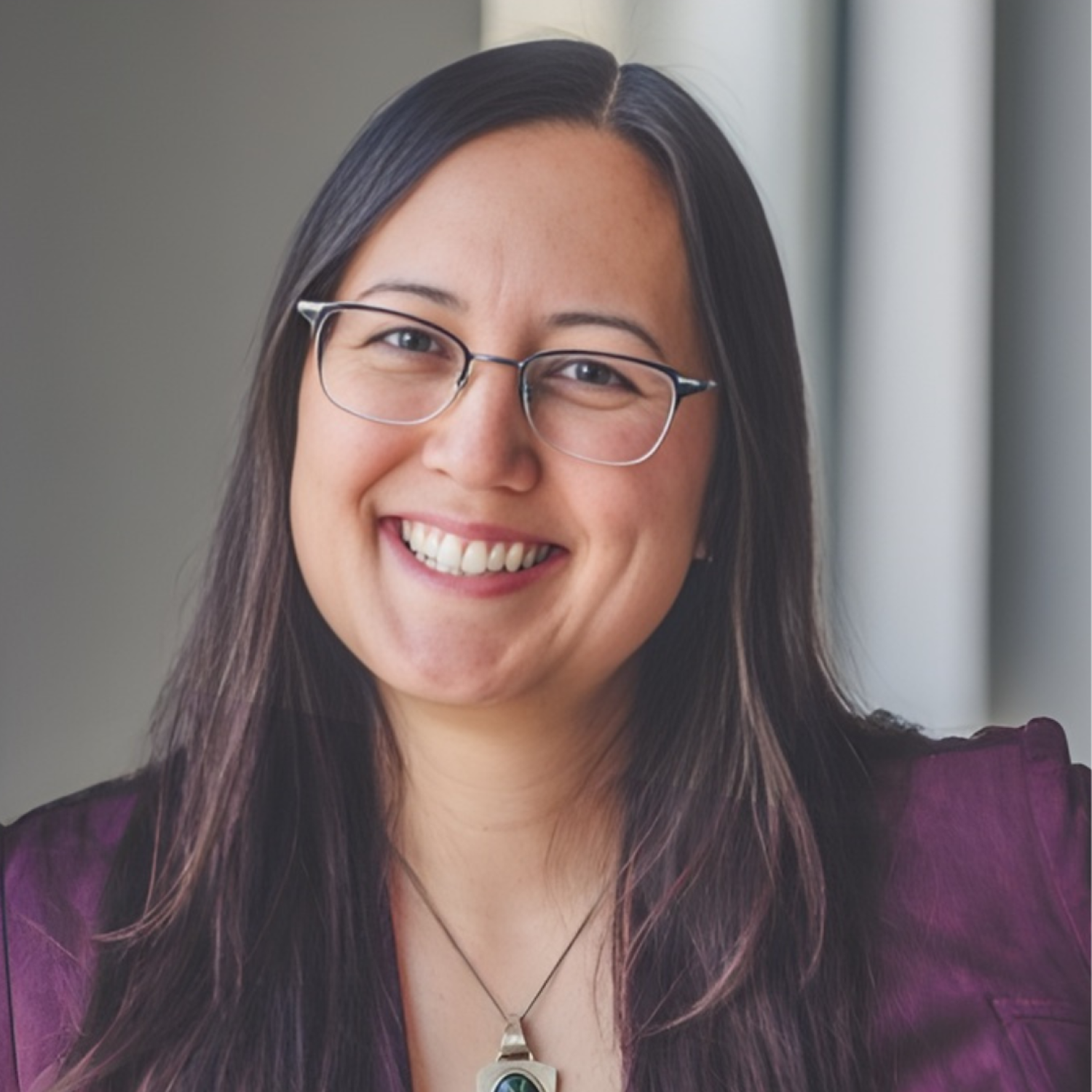
In her current role as CLAS Program Director for Program Innovation & Support, Kristen works on new program development, analyzes program vitality, creation of new microcredentials and digital badges, fosters internal and external partnerships, and manages logistics for CLAS Extended Studies and Continuing and Professional Education programs.
She has an MBA from CU Denver's Business School and is involved with strategic initiatives across the university. Her career has centered around supporting programs that increase access to education, encourage lifelong learning and serve the unique needs of specific (and often underserved) communities.
Kristen serves on University Staff Council, CLAS Staff Council, and CLAS ACE Council and collaborates with colleagues across CU Denver to foster belonging on campus.
Kayla Spencer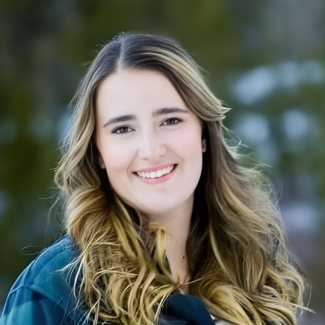
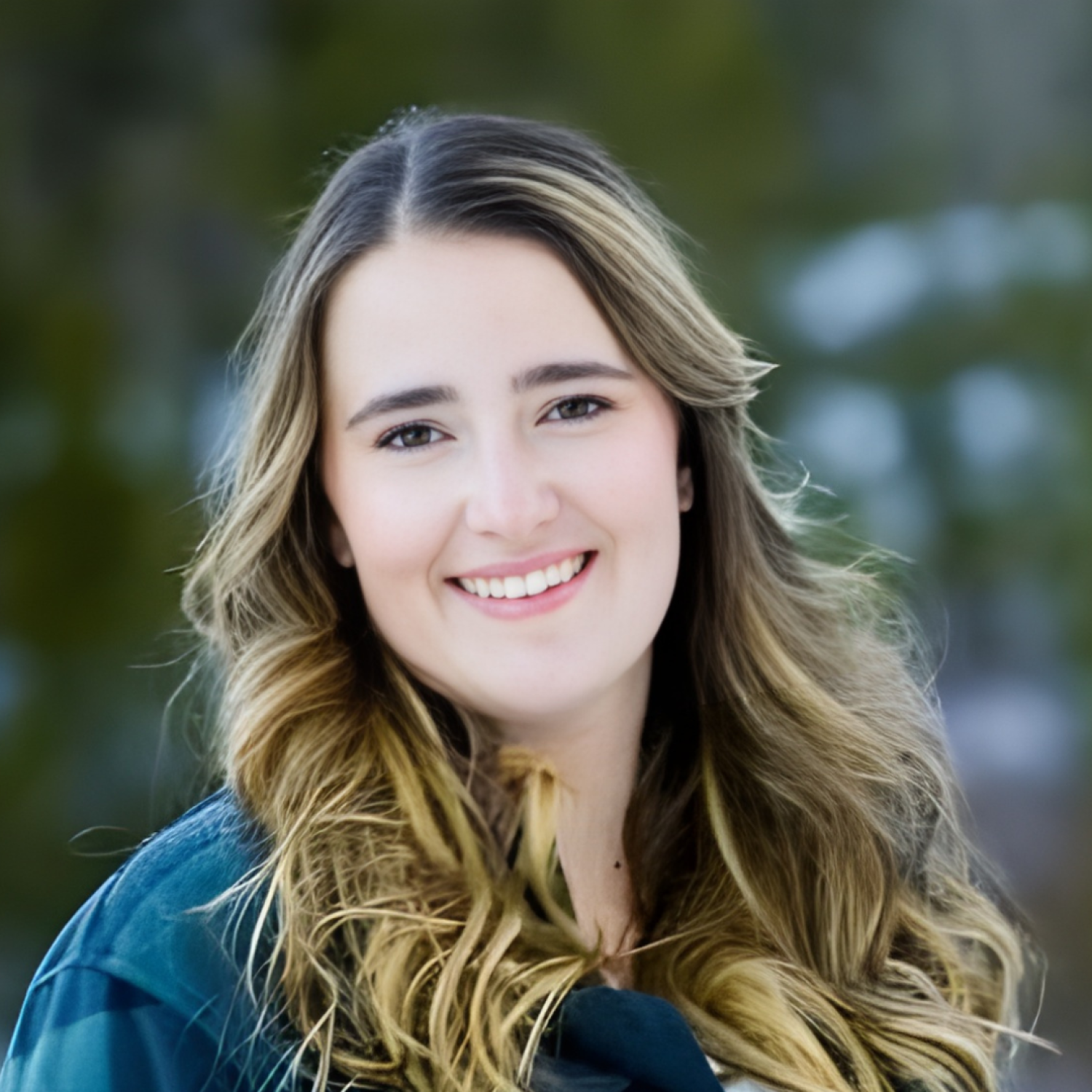
Kayla has served as the Business Services Professional for the Department of Political Science at the University of Colorado Denver since 2025 and also worked as an Administrative Assistant in the Department of Mathematical and Statistical Sciences.
She earned her BA in History with a Secondary Social Studies Licensure from Metropolitan State University of Denver in 2021 and is enrolled at CU Denver in the School of Education's MA in Leadership for Educational Organizations, Leading Change for Student Success in Higher Education.
She loves working collaboratively to support students, staff and faculty. Kayla is passionate about fostering opportunities and engagement within CLAS to ensure equity and inclusivity in the workplace.
Emily Speakman 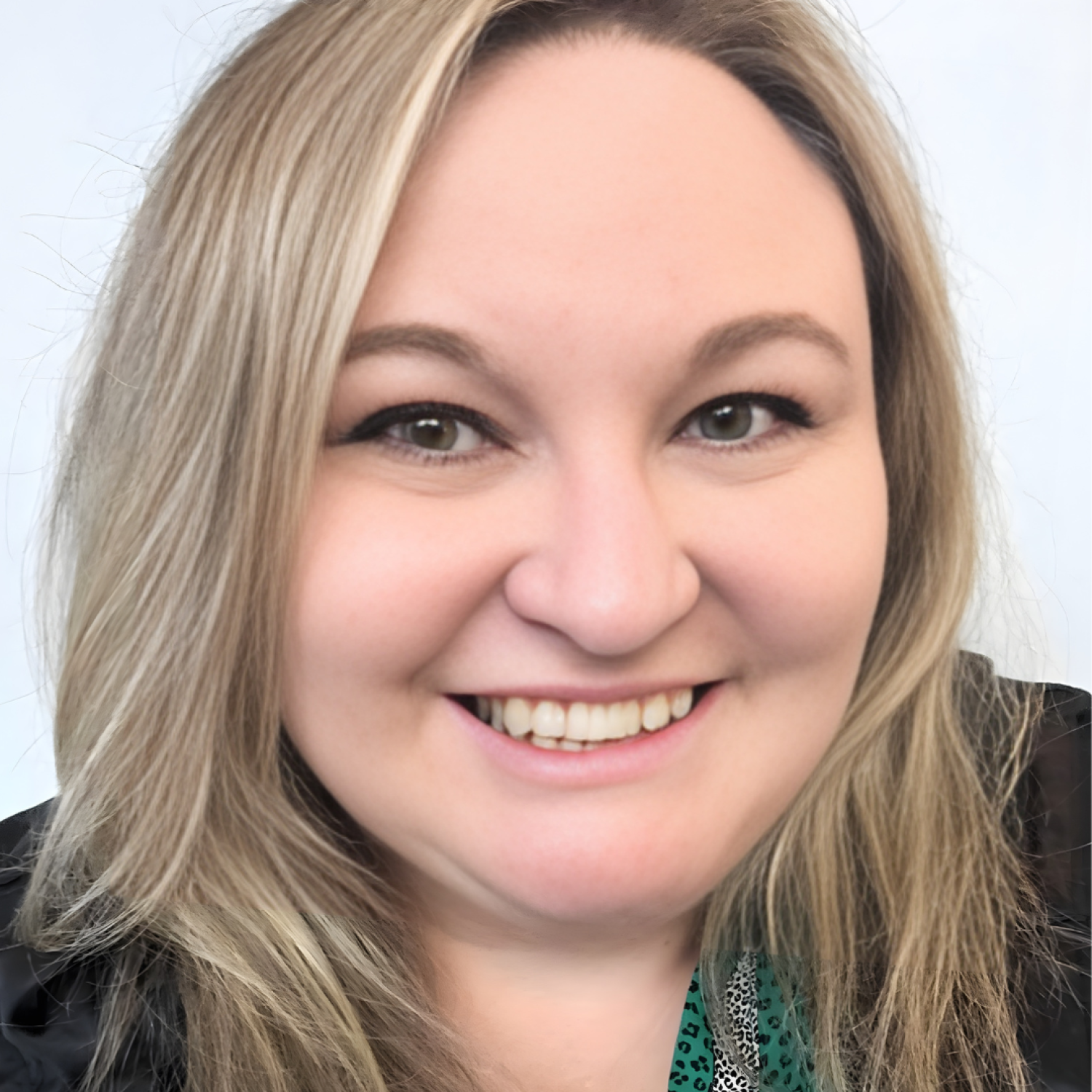
Emily is an Assistant Professor in the Department of Mathematical and Statistical Sciences at the University of Colorado, Denver. She is passionate about fostering a sense of inclusivity and belonging in higher education. She believes that service is foundational to research and teaching excellence, and much of her service focuses on supporting students. She chairs the department's Inclusive Excellence Committee, serves as faculty advisor for the SIAM and AWM graduate student chapters, and is the proud mentor of a number of talented students who she learns from on a daily basis.
Jim Grigsby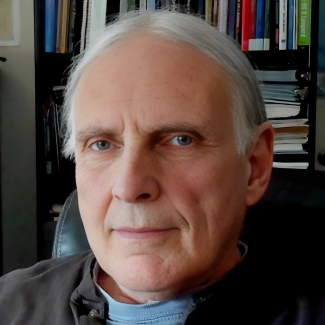
Jim Grigsby is a Professor of Psychology at CU Denver and Professor of Medicine at Anschutz Medical Campus. He completed an M.A. in psychology from the University of Saskatchewan and his doctorate in psychology at CU Boulder. He was trained and board-certified as a clinical psychologist but has mostly been a neuroscientist and health services researcher. Grigsby has received funding from the NIH, DoD, HRSA and other federal and private agencies and foundations.
Grigsby has done research on executive cognitive functioning, stroke outcomes, cognition in aging, prediction of medical outcomes with machine learning and worked on a clinical trial using MDMA to treat PTSD. He spent over 20 years studying the fragile X tremor/ataxia syndrome, a genetically-transmitted degenerative movement disorder, of which he was a co-discoverer.
Grigsby has published books on aging, telehealth, the first neuroscience-based theory of personality, and co-edited the Handbook of Medical Hallucinogens. He was co-Principal Investigator, with Stacy Fischer, MD of the Anschutz campus, on the first R01 clinical trial of psychedelics ever funded by NIH, a study of psilocybin for anxiety and depression among people with late-stage cancer. Most recently Grigsby was hired by UCD to direct the Center for Psychedelic Research.
Adam Spiegler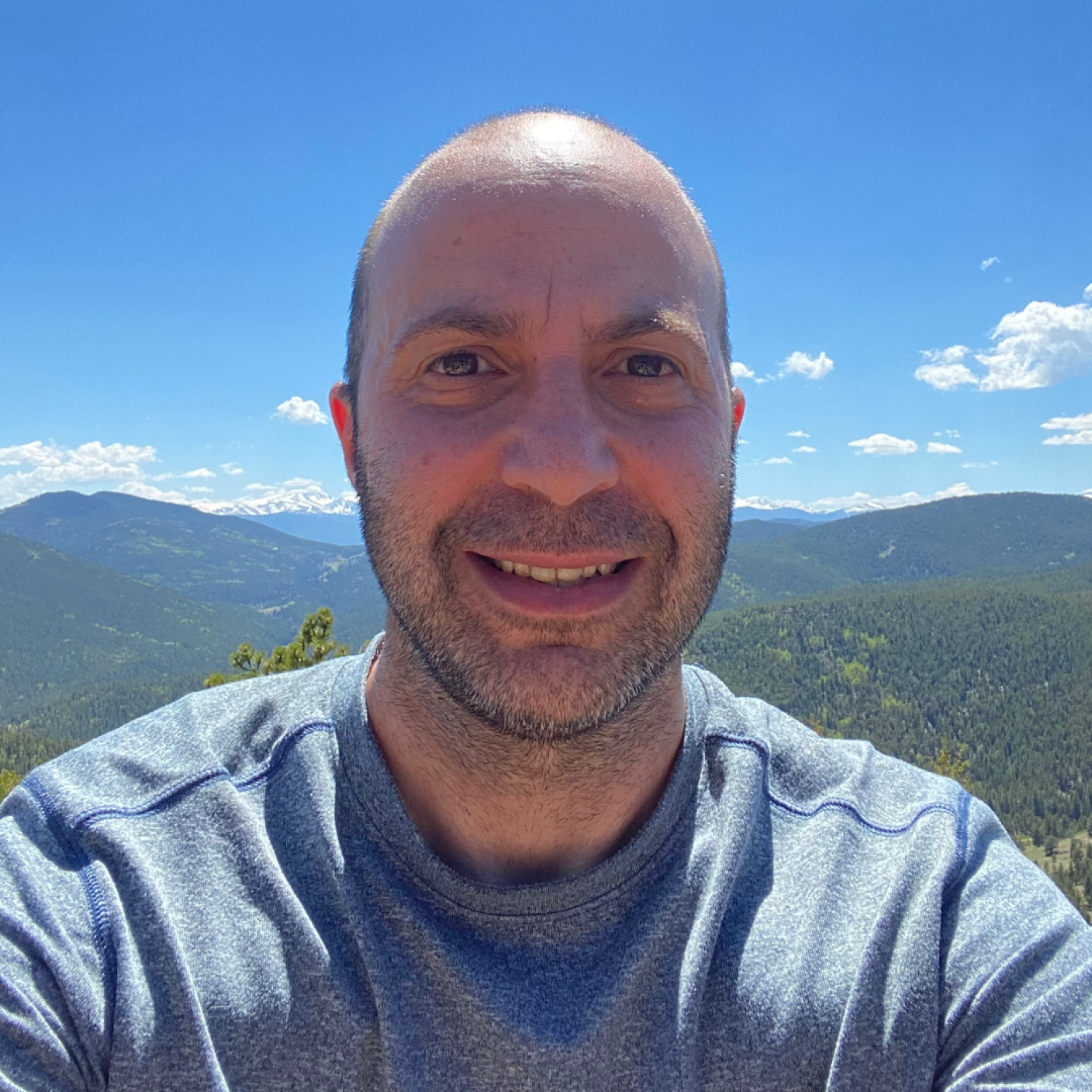
Adam Spiegler is a Teaching Professor at the University of Colorado Denver where he also serves as Director of the Undergraduate Program in the Department of Mathematical and Statistical Sciences as well as the undergraduate advisor for the department.
Prior to working at CU Denver, he was the coordinator of the elementary mathematics program at Loyola University Chicago from 2007–2018. As a member of the Calculus Consortium for Higher Education, he is a co-author of five undergraduate mathematics textbooks: from college algebra to multivariable calculus. He loves working with students and teachers at many different levels (from middle school up to mid-career). He has co-organized nationwide workshops to help prepare middle school teachers with curriculum changes relating to the implementation of Common Core Standards in Mathematics.
He completed his PhD in Mathematics from the University of Arizona and studied mathematics and economics as an undergraduate at Binghamton University. In addition to his love of teaching mathematics, he has worked as an actuary for Insurance Services Office, Inc. in New York City.
Laurel Hyslop
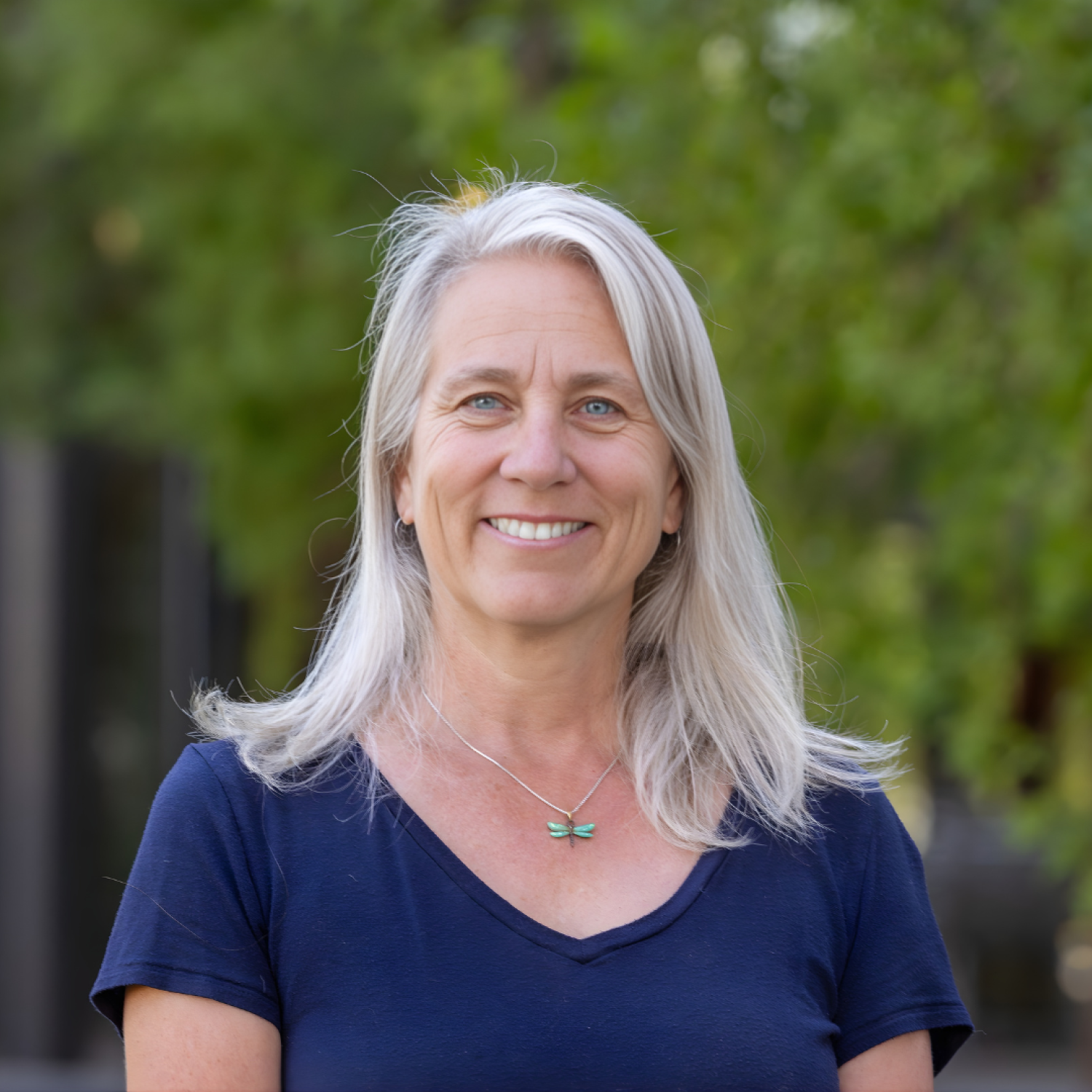 Laurel Hyslop has over 20 years of teaching experience with 9 years at CU Denver and 4 years as an Instructor. She holds a PhD from Syracuse University in Lifespan Developmental Psychology and teaches a wide range of introductory, developmental, and upper division courses for the Department of Psychology.
She currently serves as a member of the team creating a 4+1 (BAMA) online program for General Psychology. As a member of UCDALI, she is Bridge Liaison for CLAS where she shares information with lecturers and IRC faculty and relay concerns to the UCDALI executive committee and administration. She’s served on several University committees including the Institutional AI Strategy Working Group and the First Year Experience Student Success initiative. Currently as a member of the CLAS Faculty Council, she is involved in revising the bylaws and increasing shared governance among IRC Faculty.
Her current and future service reflects the commitment to her students in choosing opportunities that have the greatest impact on her students’ lives.
Kirsten Hill Christensen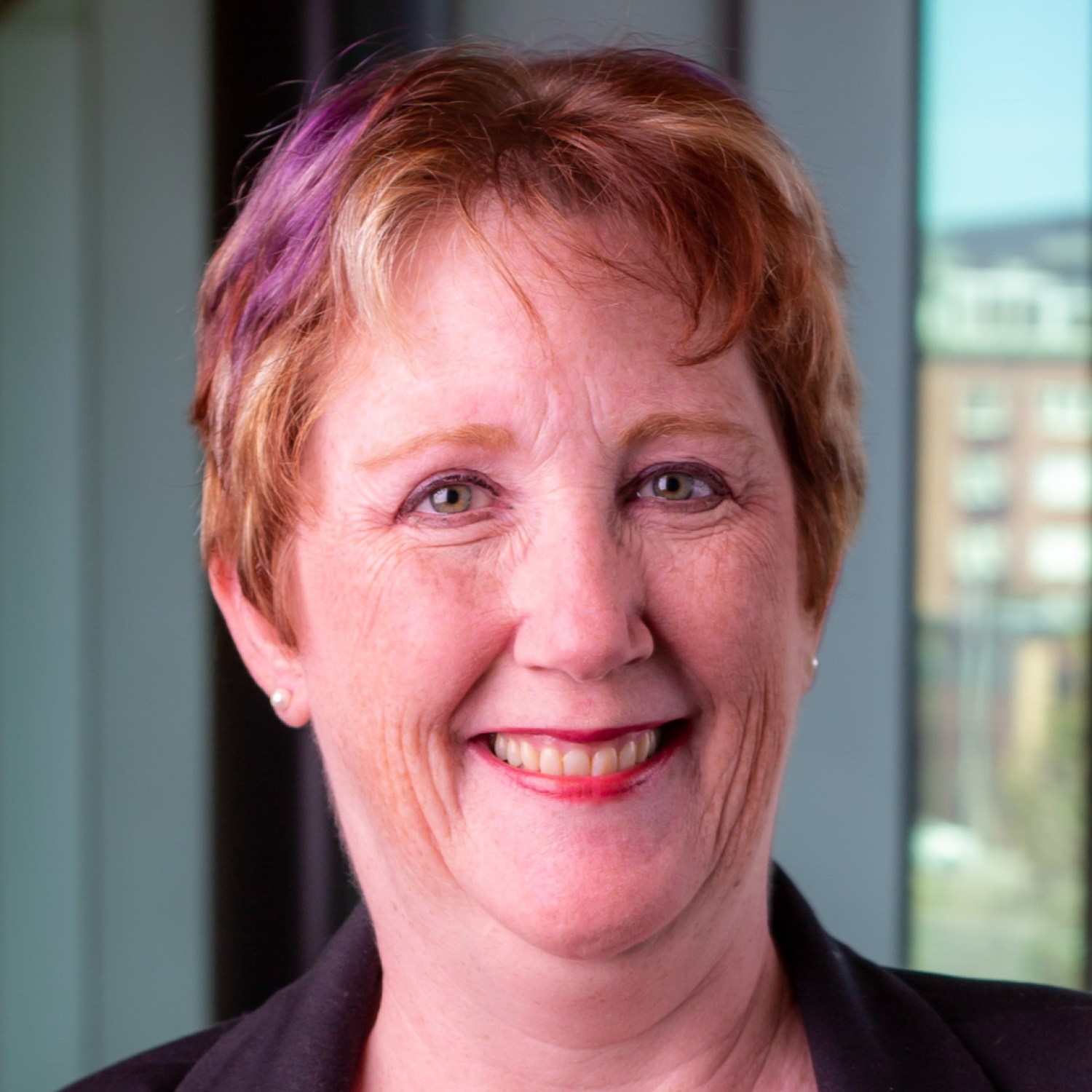
Kirsten (Kris) Christensen is the Director of Undergraduate Studies and an Instructor in the Department of Geography and Environmental Sciences at the University of Colorado Denver. A "triple alumna" of CU Denver, she holds a B.S. in Music Management, a Master of Social Science (MSS) with an emphasis in urban history, political science, and historic preservation, and a Master of Urban and Regional Planning (MURP).She has taught in the department since 2010, bringing a background rooted in urban studies and cultural landscapes to her classes. Her research expertise includes the preservation of Colorado’s historic structures, specifically grain elevators and the historic contexts of the Eastern Plains and the Rocky Mountain National Park.
As Director of Undergraduate Studies, Kris acts as a dedicated guide for the department’s students, advising them on majors, minors, and their broader academic paths. She is passionate about helping students from all disciplines reach their potential, whether in her advising office or in courses such as Urban Resiliency and Sustainability, Urban Geography, Introduction to Urban Studies, and Power of Maps. A native Coloradan who still resides in her childhood home, she brings a deep personal connection to the region into her work. When she isn't teaching or researching regional planning, she is likely woodworking, reading, waterwise gardening, or cheering on the Colorado Rockies.
Esther Sullivan
 Esther Sullivan is an Associate Professor in the Department of Sociology at the University of Colorado Denver. She is currently a Nonresident Fellow in the Housing and Communities Division at the Urban Institute. Her research focuses on environmental inequality, legal regulation, and the built environment, with a special interest in housing.
A large portion of her research investigates the intersecting environmental, financial, and legal inequalities that impact residents of manufactured housing and manufactured home communities. She has published over a dozen scholarly articles and given 17 invited national and international invited talks on the subject. Her book Manufactured Insecurity: Mobile Home Parks and Americans' Tenuous Right to Place (winner of the 2019 Robert Park Award) uncovered systemic mass evictions of residents in U.S. manufactured home communities. Her research has been covered in The New Yorker, The New York Times, The Washington Post, TIME, and elsewhere. She was named a University of Colorado Denver TIAA Chancellor’s Urban Engaged Scholar for her community-engaged scholarship.
Her current research examines drinking water quality and reliability in manufactured home communities, as a lens for understanding environmental inequalities in other forms of affordable housing.
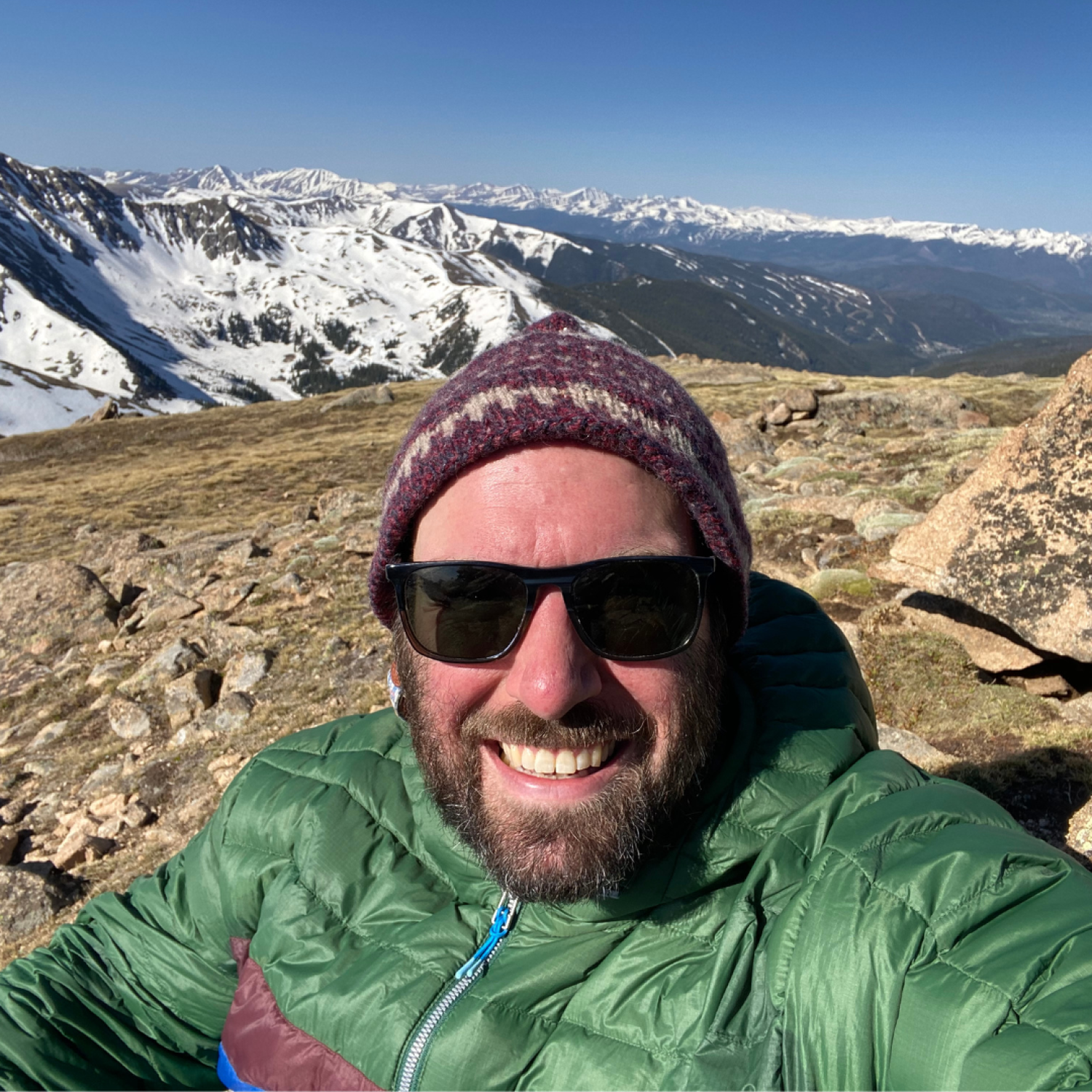 Michael Moore
Mike has been an assistant professor in the Department of Integrative Biology since August 2022. Before joining CU Denver, he received his PhD from Case Western Reserve University in 2019, and he was a Biodiversity Post-Doctoral Fellow at Washington University in St. Louis from 2019 to 2022. Mike is an evolutionary biologist, and his lab here at CU Denver uses dragonflies as a model organism to understand which habitats species can adapt to and why.
In the last 3 years, his lab has published in prestigious multi-disciplinary academic journals like Proceedings of the National Academy of Science and Nature Climate Change. Additionally, his lab’s work has been profiled by national and international media outlets including the Washington Post, the Guardian, and NPR. Finally, this year he won the George A. Bartholomew Award, an annual international award given to the top early-career integrative biologist in the world.
Rachel Gross
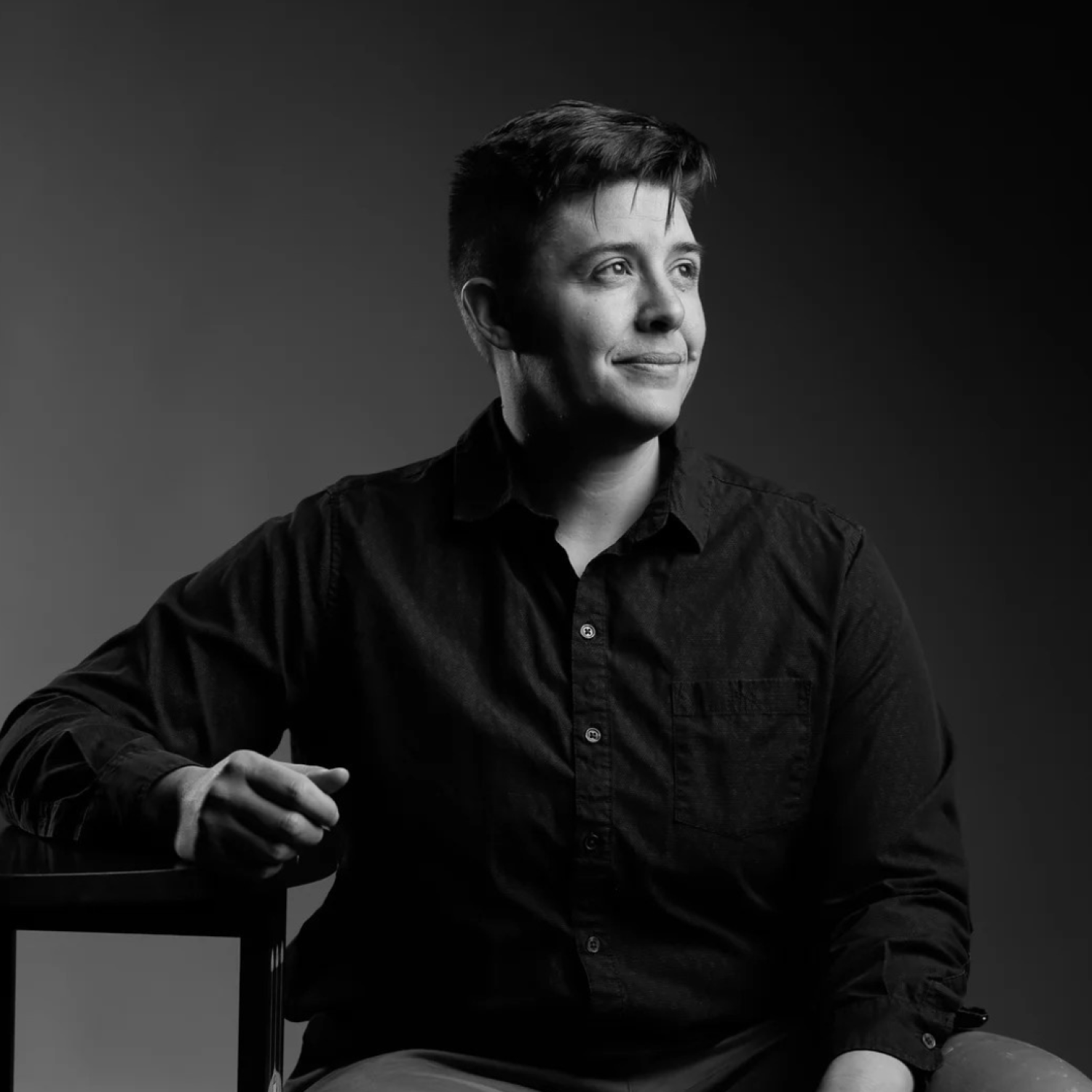
Rachel S. Gross’s award-winning, public-facing work as a historian of business, culture, and environment in the modern U.S. examines how seemingly mundane consumer products shapes individuals’ identity. Her book, Shopping All the Way to the Woods, won the 2025 Colorado Book Award, is the 2025 Caroline Bancroft History Prize Honor Book, and garnered an Honorable Mention, 2025 Millia Davenport Publication Award, Costume Society of America. She was the principal investigator for the NEH Humanities Initiative, “Recovering Auraria’s Past: Building a Digital Tour of a Displaced Neighborhood and Reckoning with Campus History” and the campus lead on the Mellon Foundation’s “Renewal” grant.
In 2025, she submitted a book proposal for my public history work on Auraria coming out of the NEH and Mellon grants, Renewing Auraria: Community Collaborations and the Public History of Displacement. This book explores the history of the displaced Westside neighborhood of Auraria in Denver. She also received funding for the research stages of a project on military surplus. Her new project, Surplus: A World Remade by Military Junk, is a history of military waste and reinvention after World War II, when billions of dollars and heretofore uncalculated tons of surplus goods shaped nations’ economies and environments around the globe.
Cameron Blevins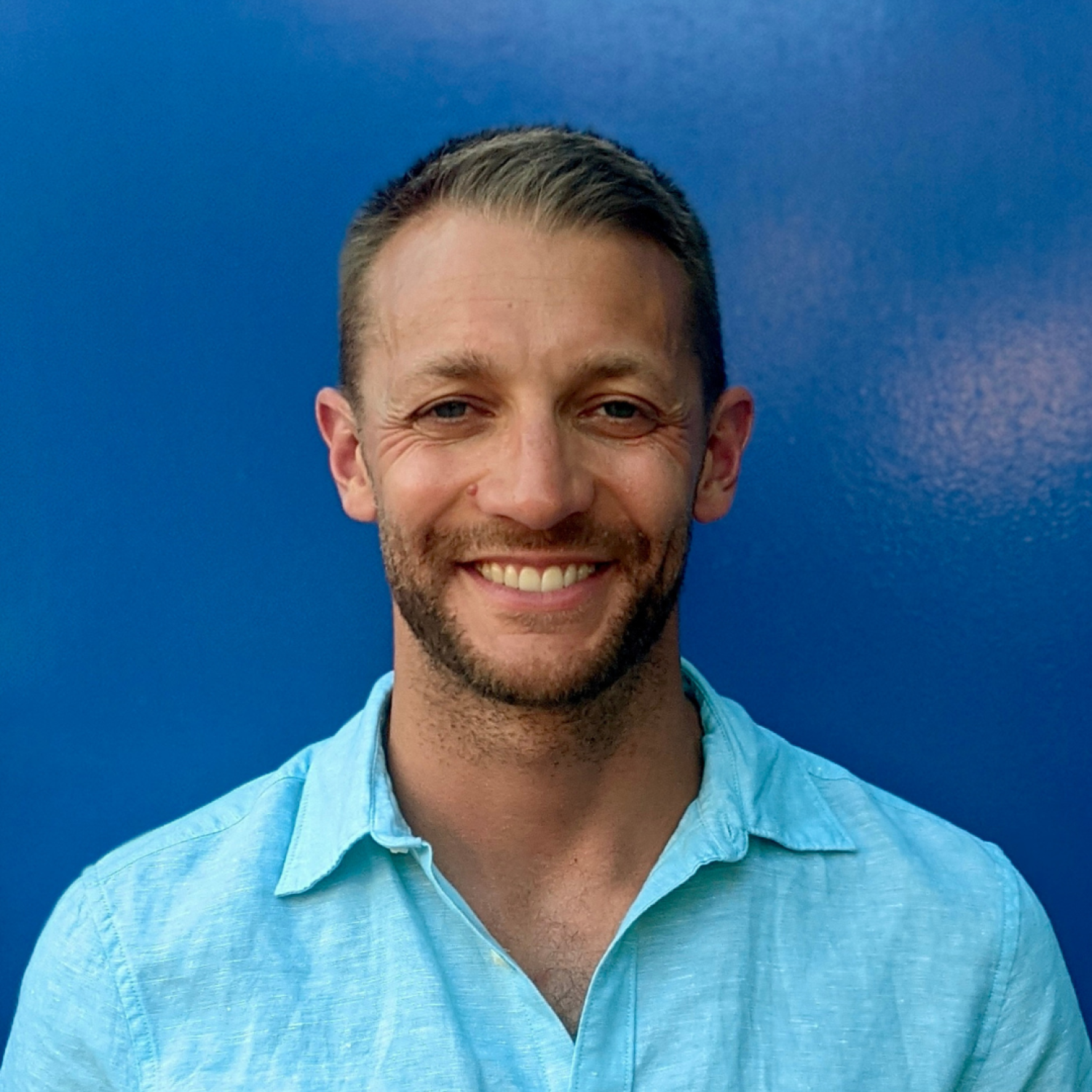
Cameron Blevins is Associate Teaching Professor of History and Director of Digital Initiatives for the College of Liberal Arts and Sciences at CU Denver. His research applies computational methods to topics in U.S. history, the history of the American West, women's and gender history, and public history. He has received over $475,000 in grant funding along with six major research awards. These include the Western Heritage Award for Outstanding Non-Fiction for his 2021 book Paper Trails: The US Post and the Making of the American West, and the Berkshire Article Prize for the best article in women's, gender, and sexuality history for his 2024 article mapping lesbian networks during the 1970s and 1980s.
Blevins is the co-project lead for "Recovering Auraria's Past," a public history project on the Denver community that was razed in the 1970s to build the Auraria Campus. He is currently expanding his research mapping LGBTQ+ history while serving as an AI Faculty Fellow to shape campus discussions and policies around generative AI, teaching, and research.
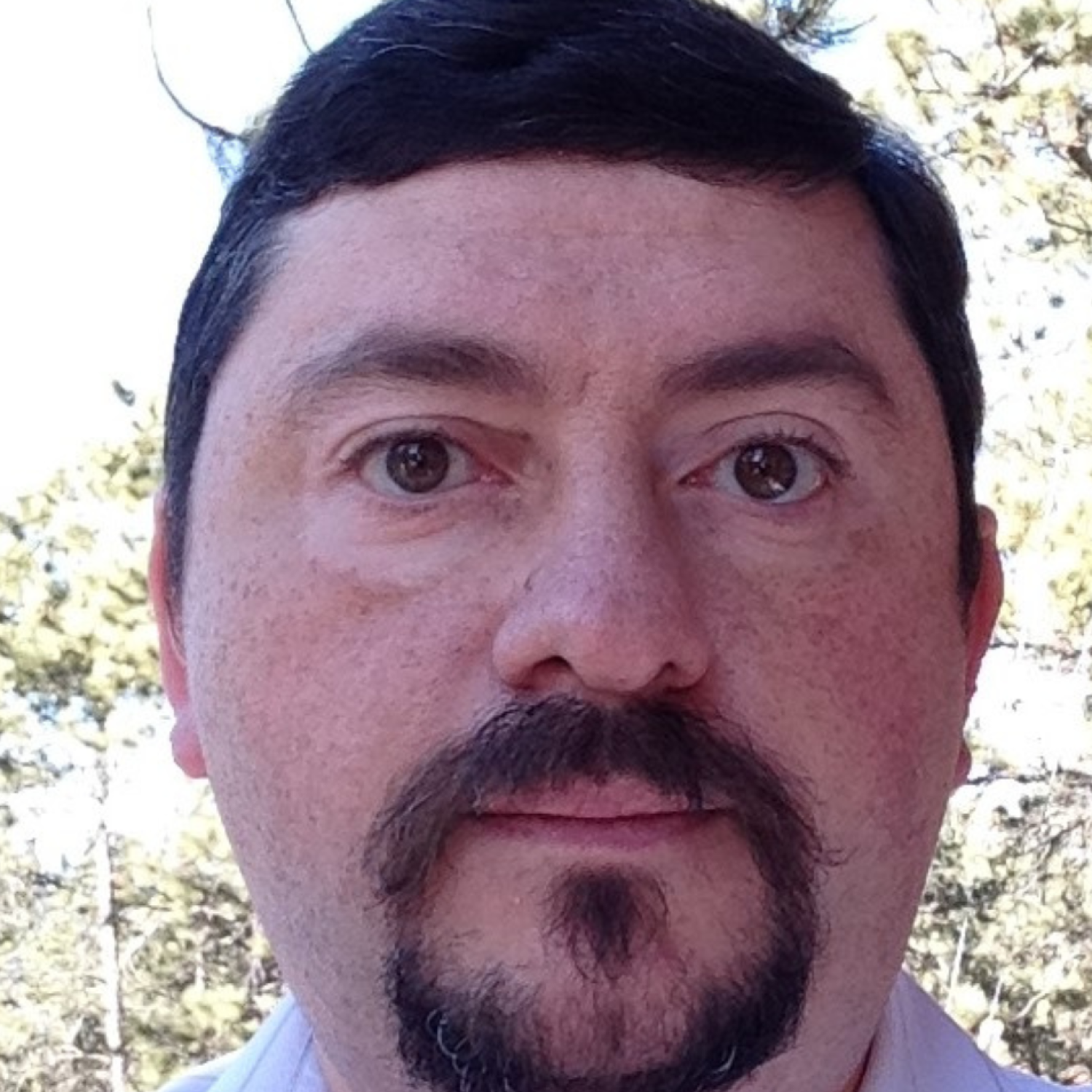 Dmitriy Ostrovskiy
Dmitry holds Ph.D.’s from the Moscow Physical Institute in Applied Mathematics and Stony Brook University in Theoretical Nuclear Physics. His research is in modeling internal protein motions by the analysis of Nuclear Magnetic Resonance data. This research is an intersection of applied mathematics, physics, chemistry, and biology.
Recently he has focused on the proteins involved in Alzheimer’s disease. Computational modeling contributes to deciphering motional modes that can have biologically relevant functions. This approach uses data to reconstruct protein motion in as much detail as possible. Dmitry plans to continue research in this area with new experiments.
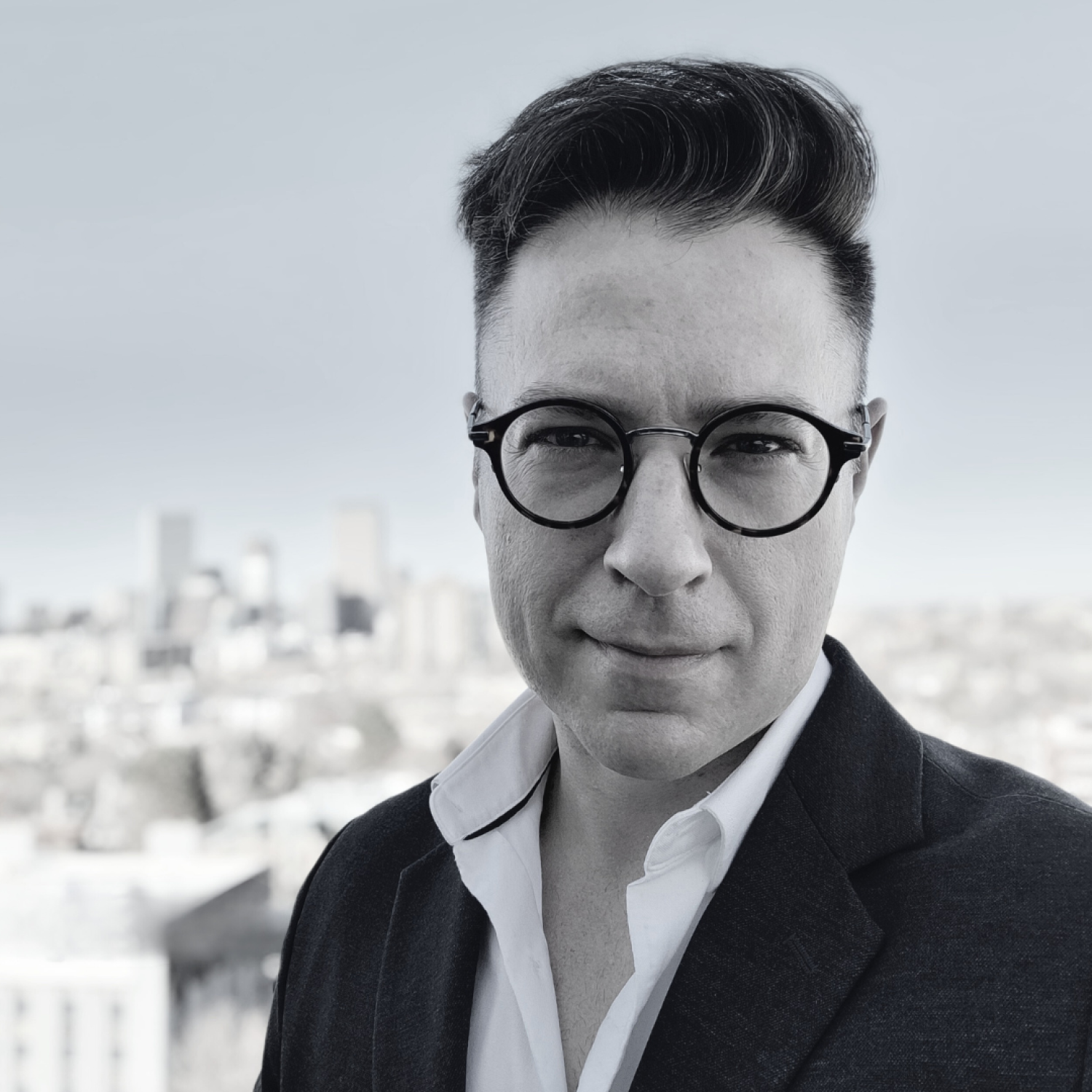 Adam Lippert
Adam Lippert is Associate Professor and Director of Graduate Studies for the Sociology Department. His teaching and mentoring emphasizes the development of analytical and research skills for the social sciences. He uses an applied and community-focused pedagogy that guides students through the process of asking questions, working with real-world data, and communicating research findings to community stakeholders. His Population Analysis and Health Disparities courses are representative of this approach, training students in the management and analysis of demographic and population health data while working alongside Denver-based community organizations focused on improving the health of Coloradans.
Outside the classroom, Dr. Lippert is a tireless mentor, coauthoring numerous publications with graduate trainees while guiding their placement in high-impact careers and elite doctoral programs.
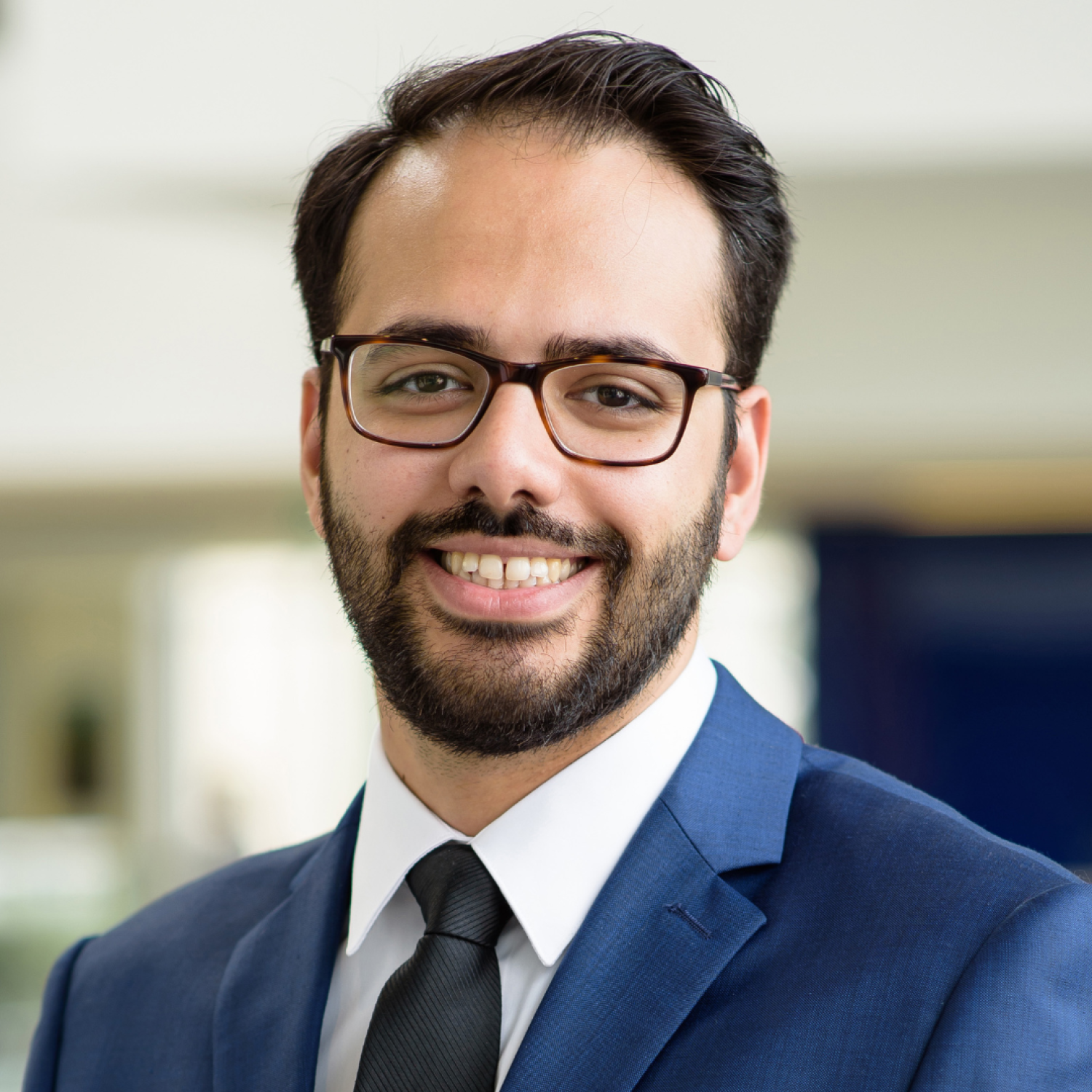 Farhad Pourkamali
Farhad Pourkamali is an Assistant Professor in the Department of Mathematical and Statistical Sciences. He received his Ph.D. in Electrical Engineering from the University of Colorado Boulder.
His research focuses on developing efficient and reliable machine learning methods for scientific and engineering applications. His work is supported by multiple federal agencies, including NASA, the Air Force Research Laboratory, and the Army Research Laboratory.
His courses emphasize conceptual understanding and real-world impact, helping students connect advanced machine learning methods with practical data-driven problem solving.
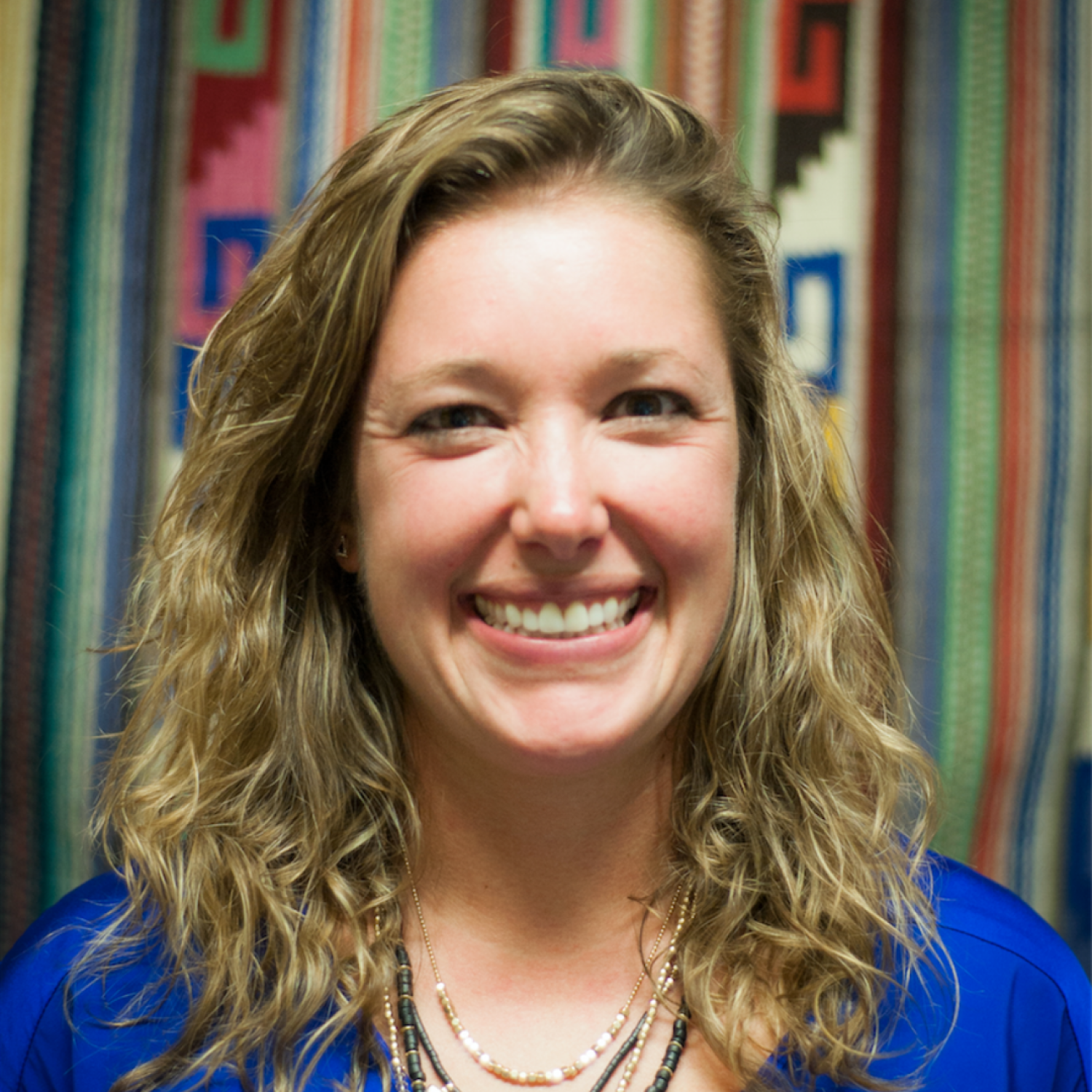 Amanda Ritchie
Amanda Ritchie is a Senior Spanish Instructor and Lower-Division Spanish Course Coordinator. Since joining CU in 2015, she has played a central role in the design, coordination and improvement of the lower-division Spanish curriculum in on-campus and online modalities. She mentors graduate teaching assistants and collaborates with faculty to strengthen student learning outcomes in language proficiency and cultural competency. She also directs the summer study abroad program in Valladolid, Spain.
Amanda earned an MA in Spanish and an MS in Curriculum and Instruction from the University of Akron. She has presented numerous workshops for instructors on collaborative learning, classroom management and lesson planning and participates in professional development related to course design, educational technology and equity in the classroom. Amanda recently received a Teaching Innovation Grant to redesign introductory Spanish coursework in response to the growing presence of artificial intelligence in education. Her future goals include continuing to refine proficiency-based curricula and supporting instructors.
Jenny Vermilya
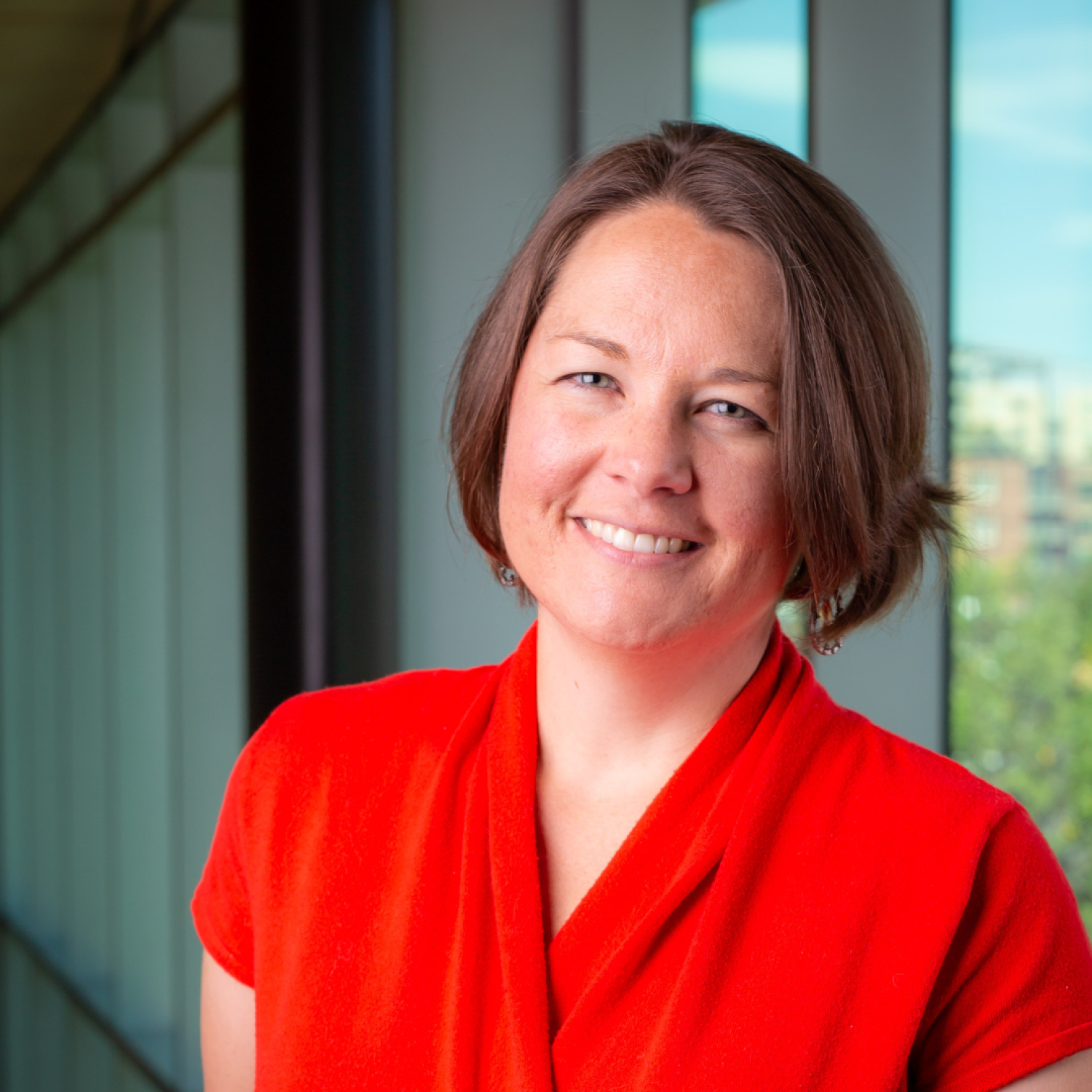
Dr. Jenny Vermilya is an associate teaching professor in Sociology. She earned her doctorate from the University of Colorado Boulder in 2015 and was an assistant professor in the Department of Sociology and Human Services at the University of North Georgia. Her expertise centers on gender and professions, symbolic interactionism, qualitative methods, and animals and society. She has published in Gender & Society on the feminization of veterinary medicine and in Society & Animals on horses as a border species. Recently she was interviewed for Atmos Magazine on anthropomorphic AI-generated animal images and how AI is affecting our relationships to other animals.
She has taught lower and upper division courses in sociology including Introduction to Sociology, Sex and Gender, Senior Capstone and recently introduced an honors version of her Animals & Society course into the University Honors and Leadership program at CU Denver. Dr. Vermilya loves building community in her courses and department. She serves as the chapter representative for Alpha Kappa Delta, the sociology honor society, and is the faculty founder and advisor to the student-led Sociology Club.
Paul Le
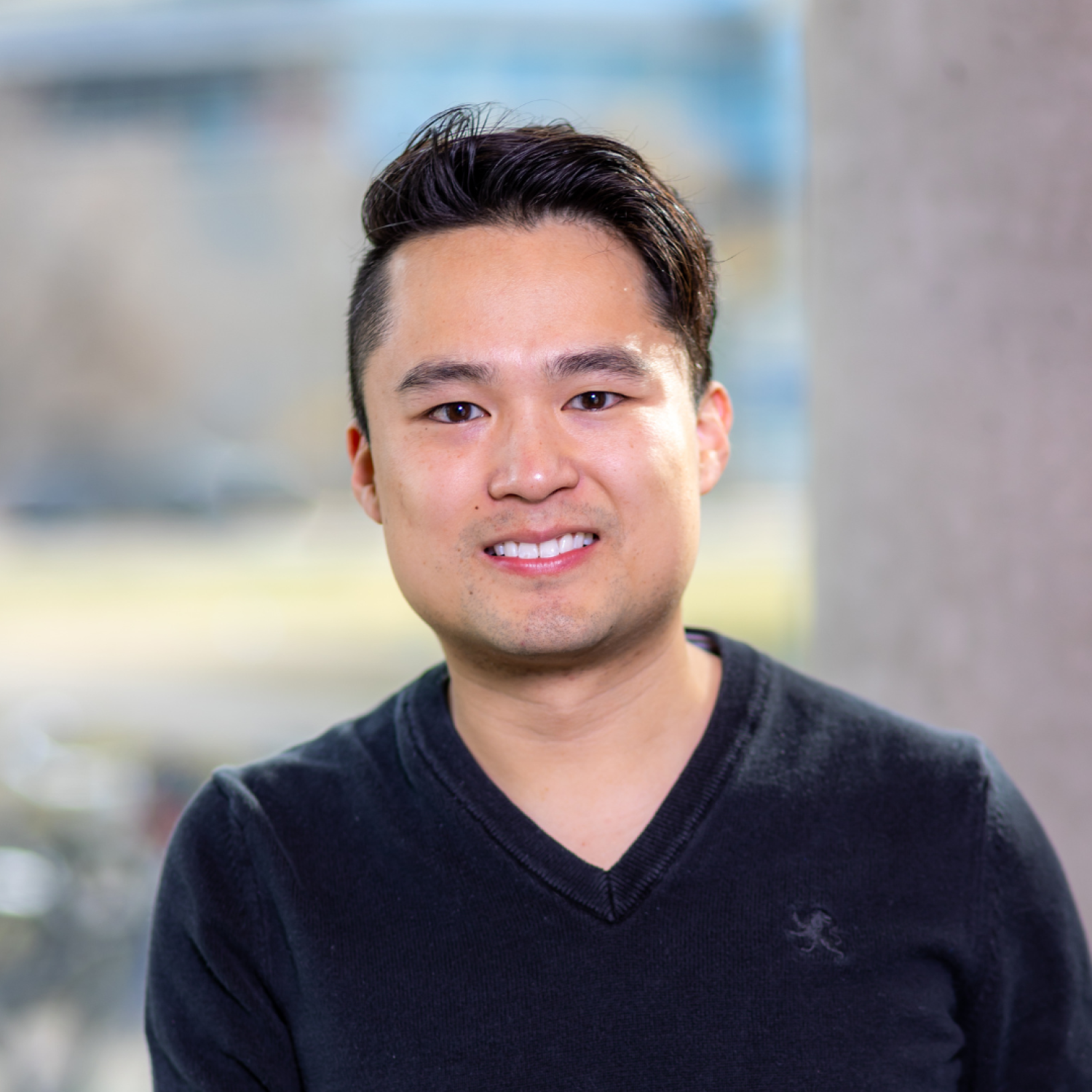
Paul Le is a Senior Instructor in Integrative Biology and teaches a variety courses in organismal biology and ecology. He is also lab coordinator for the first-semester general biology labs and enjoys developing curriculum and working with Teaching Assistants. As a science education researcher who strives to create accessible and inclusive classrooms where all students can thrive, his classes incorporate active and place-based learning and foster a space where students can grow and improve their biological knowledge. He studies multicultural science education and his work in the classroom focuses on facilitating the development of students’ science identities and competence in science skills.
His future goals include incorporating scientific communication projects in his courses to highlight the intersections of science and society and the importance of engaging with community members. He also plans on proposing a course in Wildlife Management for students interested in field biology careers.
Spring 2026 Retirees
 Catherine Rathbun | Chemistry
Catherine Rathbun retired after more than 25 years working in the Chemistry Department and managing the chemistry teaching and research labs.
Her educational background was in Oceanography and Marine Biology and previous jobs were in the central California area, the University of Southern Mississippi and the Bermuda Institute of Ocean Sciences.
She is currently occupied with quilting, cooking, entertaining cats, and catching up on reading.
Anne Beard | Sociology
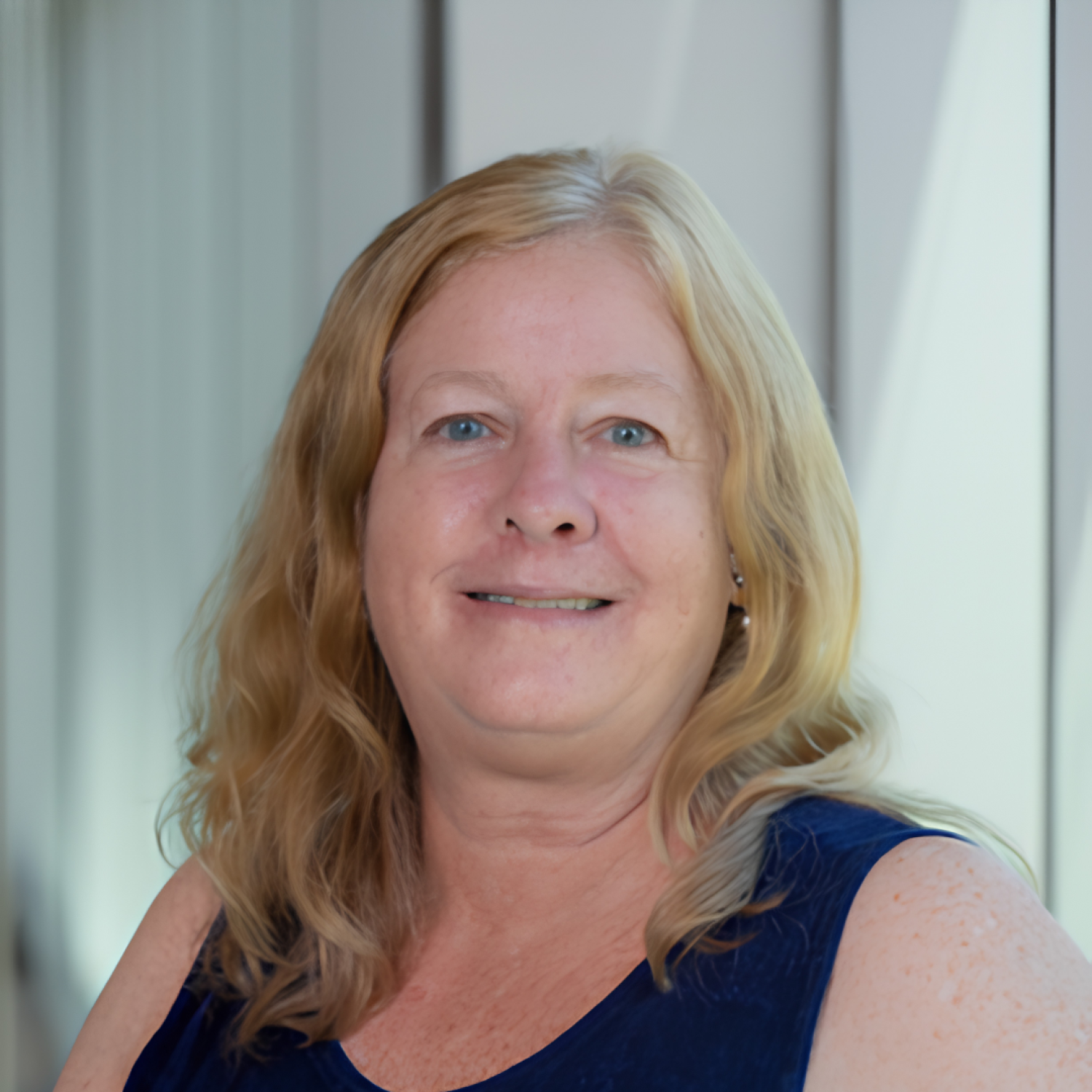 Anne is retiring from Sociology but worked in the Department of Psychology for more than a decade, supporting that program through its initial accreditation.
She was an active member of the CLAS, CU Denver and University of Colorado Staff Councils.
Anne looks forward to resuming a life of travel and cultural experiences in the US and abroad.
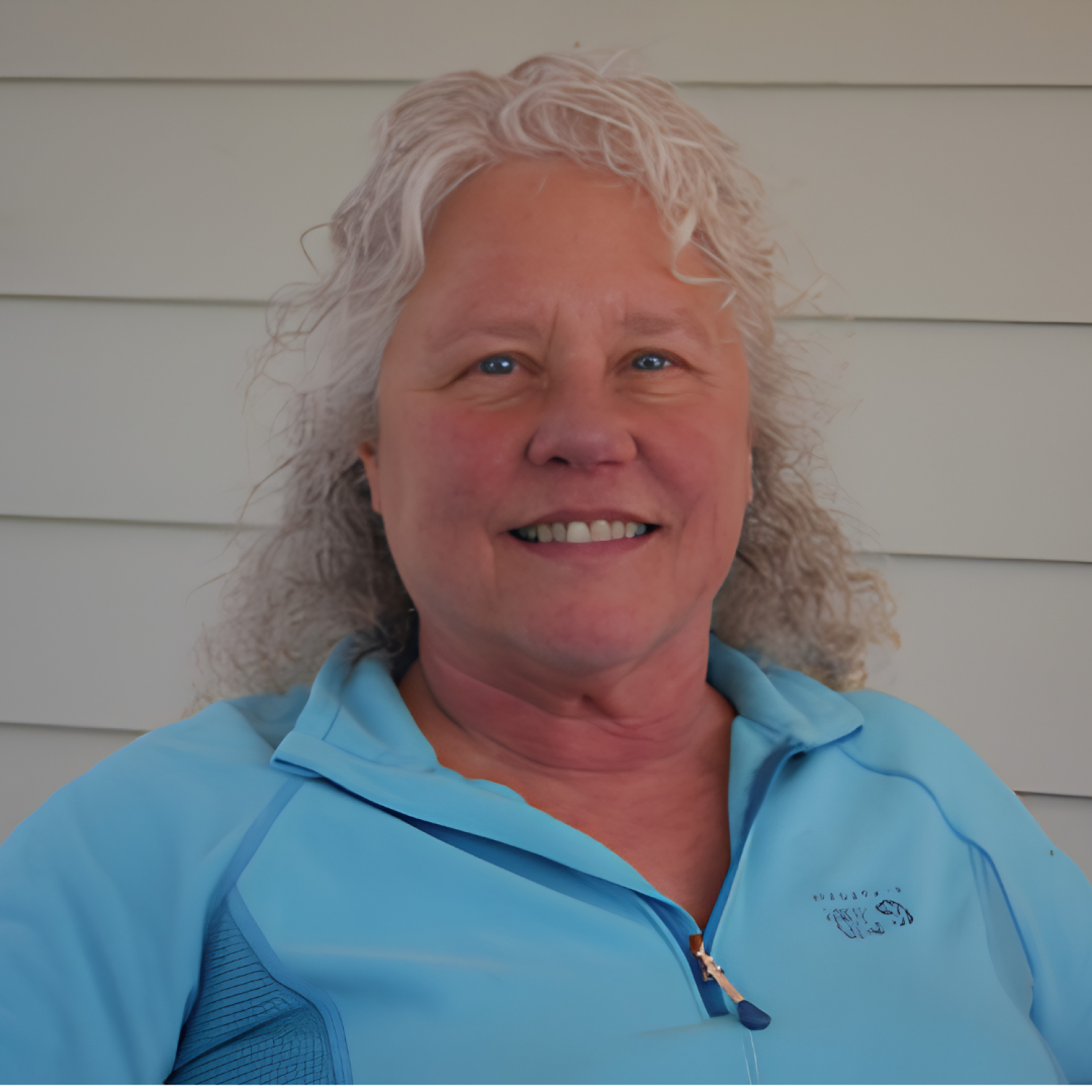 Doris R. Kimbrough | Chemistry
Doris Kimbrough earned her B.S. in chemistry from the College of William and Mary and her Ph.D. She joined the CU Denver Chemistry faculty in 1986. Her research at CU Denver focused on science education. She contributed to the field in the areas of laboratory development, identification and mitigation of scientific misconceptions, pre-service teacher education, and in-service science teacher professional development. This work was funded by grants from the National Science Foundation, the National Institutes of Health, the Department of Education and the Dreyfus Foundation.
She is looking forward to spending time with her husband and dogs and travelling to Germany to visit her grandchildren.
Brian Lisle | Philosophy
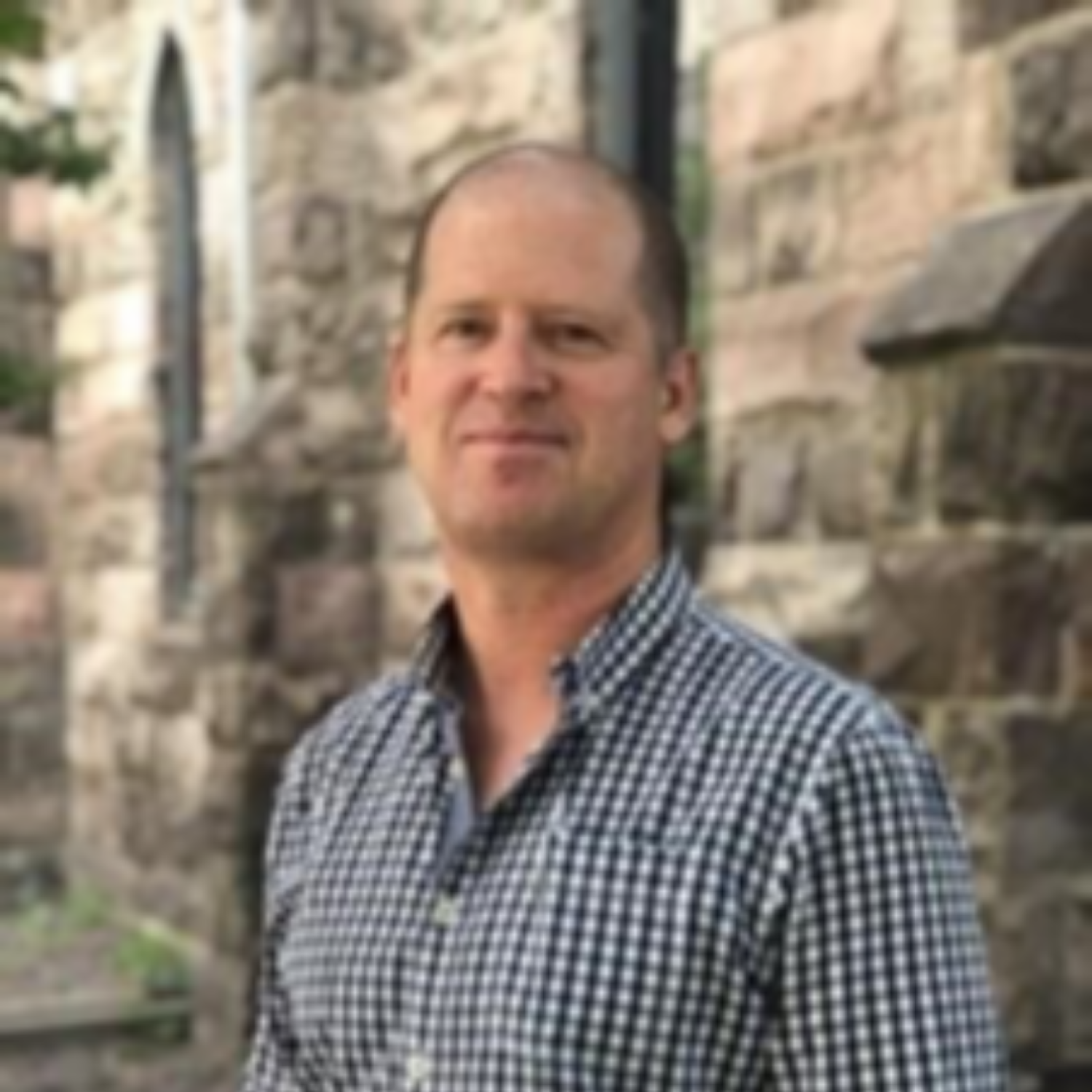
Dr. Lisle completed a BA in philosophy and anthropology at the University of Kansas. He earned an MA in philosophy program at Denver University in 1992 and was hired by the CU Denver philosophy department in 1999.
Brian enrolled at Loyola University Chicago, defended his dissertation in 2008 and returned to the CU Denver philosophy department. He taught a variety of courses including history of Western philosophy, ethics, social/political theory, race theory, feminism, and “Existentialism.” His area of specialty included the philosophers Hegel, Heidegger, Beauvoir and Sartre.
Brian says he departs the university “with feelings of gratitude for the wealth of inspiration and friendship he has gained from students and his devoted colleagues.”
Past winners
I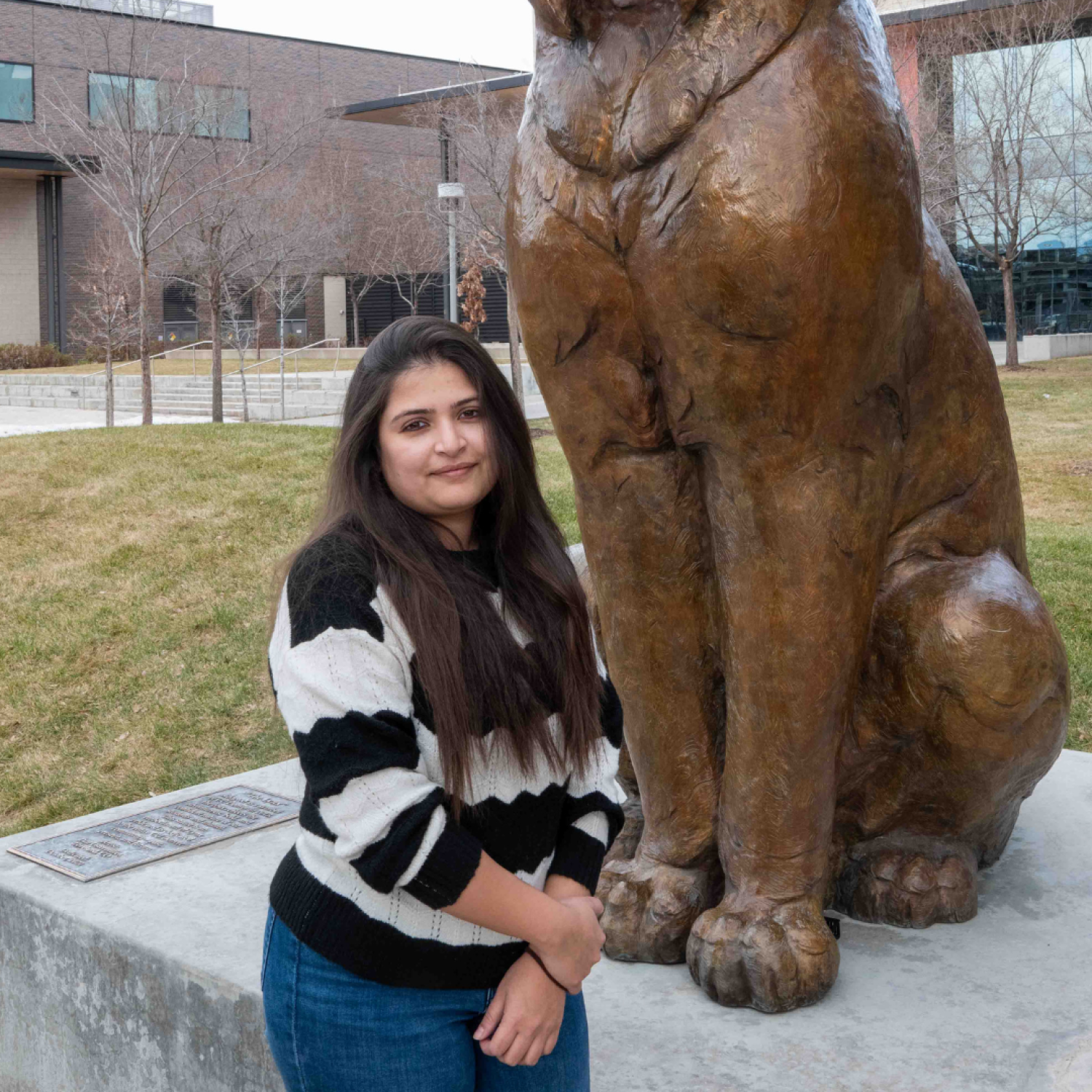 ndira Saha - History (MA)
Earning a master’s in history, Saha focused on community-centered scholarship. Inspired by her family’s history, her research documented displacement and elevated lived experiences. Praised for her intellectual rigor as a research and teaching assistant, she now joins the History Colorado Center. There, she will collaborate with Indigenous communities to preserve oral histories, continuing her deep commitment to ethical, impactful research and meaningful service.
 Jessica Loeffler - Integrative Biology (MS)
Awarded for her research and outreach, Loeffler earned a master’s in integrative biology. Her work at the Denver Botanic Gardens explored plant–fungal relationships. A dedicated instructor and mentor, she also led fieldwork and public science outreach, reflecting a deep commitment to collaborative, community-centered scholarship. Following graduation, she remains dedicated to research.
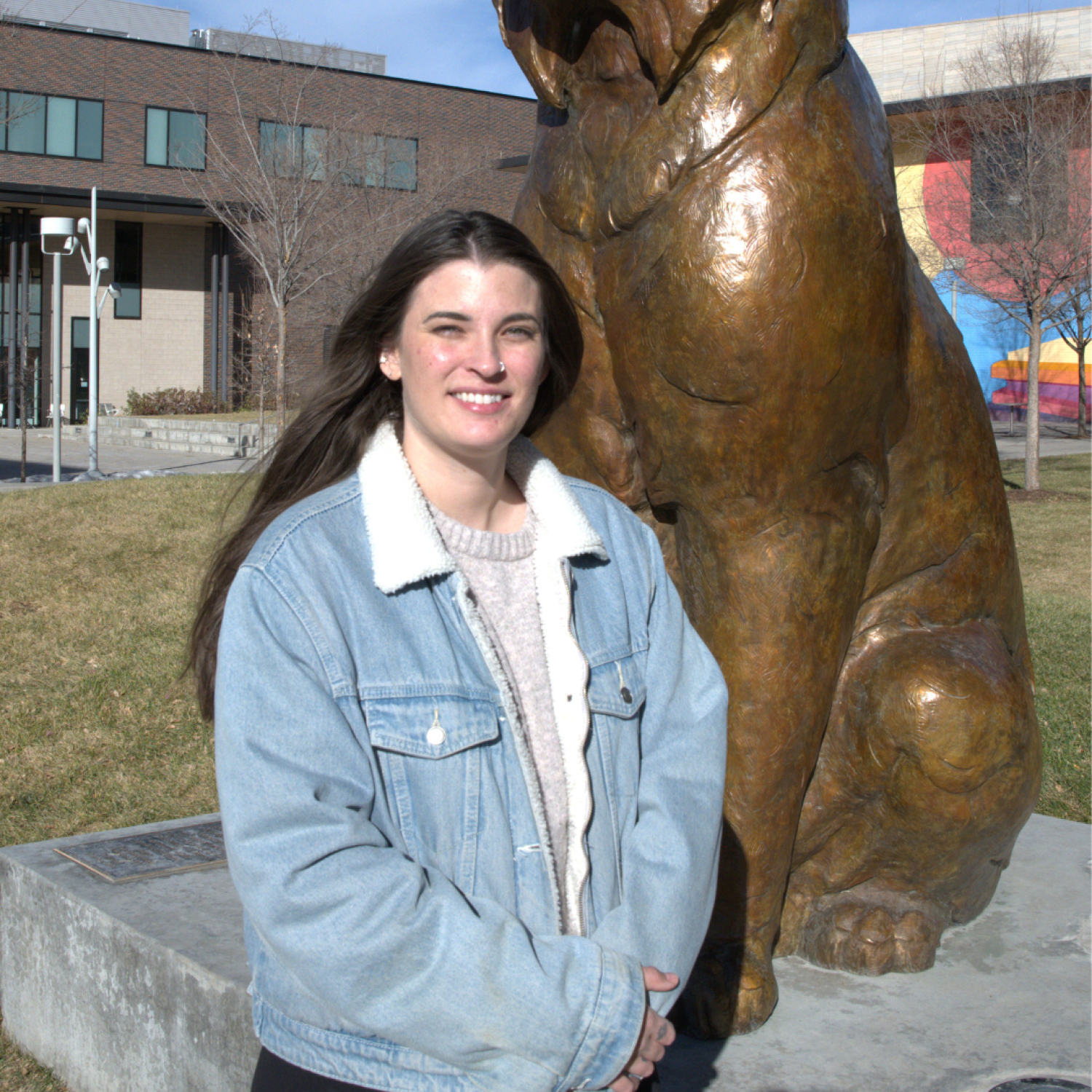 Alyssa Hohorst - Integrative and Systems Biology (PhD)
Recognized for her research, teaching, and mentorship, Hohorst earned a PhD in integrative and systems biology. Her doctoral research in the Behavioral Exercise Neuroscience Laboratory examined how sex differences influence brain circuits involved in fear learning. A prolific researcher and dedicated educator, Hohorst also prioritized mentoring undergraduates, reflecting the leadership recognized by her Outstanding Graduate award.