
Learn More About Research and Training with Psychedelics
Shandra Brown Levey, Molly Sullan, and Laura Washington bring clinical research, health care, and program-building experience to CU Denver’s growing Center for Psychedelic Research.
The questions surrounding psychedelic therapies are complex. Which treatments work? Who might benefit? How can they be studied and delivered safely? And if research continues to demonstrate therapeutic potential, how can effective treatments become accessible to the people who need them? At the CU Denver Center for Psychedelic Research, answering those questions requires more than expertise in a single discipline. It takes researchers, clinicians, educators, and staff who understand the science and the people it could ultimately serve.
Co-Director Shandra Brown Levey, PhD; Director of Clinical Research Molly Sullan, PhD; and Business Professional Laura Washington bring different backgrounds to the shared work done at the Center. Their experience spans clinical psychology and neuropsychology, integrated behavioral health, traumatic brain injury research, health care administration and program development. Their motivations are just as varied, shaped by professional experience as well as personal encounters with gaps in health care.
Building a Center Around Evidence and Access
Launched in 2024, the CU Denver Center for Psychedelic Research brings together experts in psychology, medicine, psychoneuroimmunology, behavioral neuroendocrinology, and public policy to study psychedelics from multiple perspectives. Its work spans basic science; therapeutic effects and mechanisms; and the social, economic and public health implications of psychedelic drugs. The Center is currently focused on research, education and infrastructure while preparing researchers, clinicians and community leaders for responsible, evidence-based work in the field.
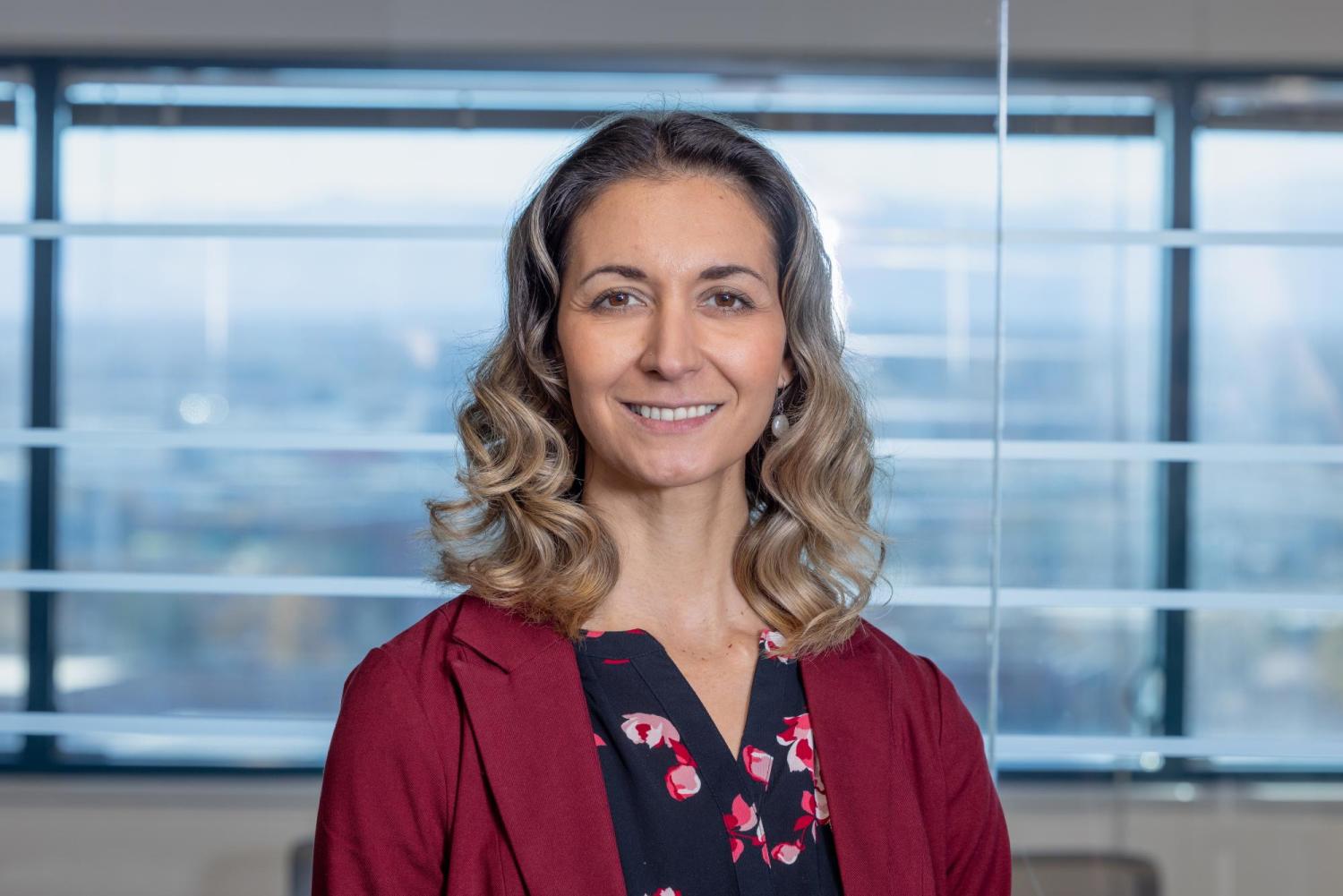 For Brown Levey, helping build that infrastructure is part of the appeal. Originally from Buffalo, New York, Brown Levey earned her PhD in clinical psychology in Chicago before coming to Colorado in 2010. She spent 15 years at the CU Anschutz Medical Campus, where she worked in integrated behavioral health and primary care in the Department of Family Medicine. Her career has consistently centered on connecting systems that too often operate separately, particularly physical and mental health care. She also brings years of experience mentoring students and helping develop programs, something she hopes to continue as the Center grows.
“It's just exciting to be at this beginning stage with the center,” Brown Levey said. “I'm enthusiastic about the opportunity to help support launching the center and building it.”
Brown Levey’s interest in psychedelic research also intersects with a deeply personal interest in cancer care as both her parents battled with the disease. Her experience has strengthened a longstanding professional interest in cancer research and in finding new ways to support patients.
Psychedelic therapies attracted her attention, in part, because of their potential as another therapeutic option, but Brown Levey is equally focused on the questions that must accompany that potential: What does the evidence show? How can services be provided safely? How do researchers develop a well-trained workforce? And how can treatments become financially accessible if evidence supports their use?
“I come from a very evidence-based and do no harm approach,” she said.
That means looking beyond enthusiasm for psychedelics and toward a future where researchers can more clearly identify which interventions may be appropriate for particular conditions, at what doses, and under what circumstances.
Following the Evidence from Brain Injury to Psychedelic Research
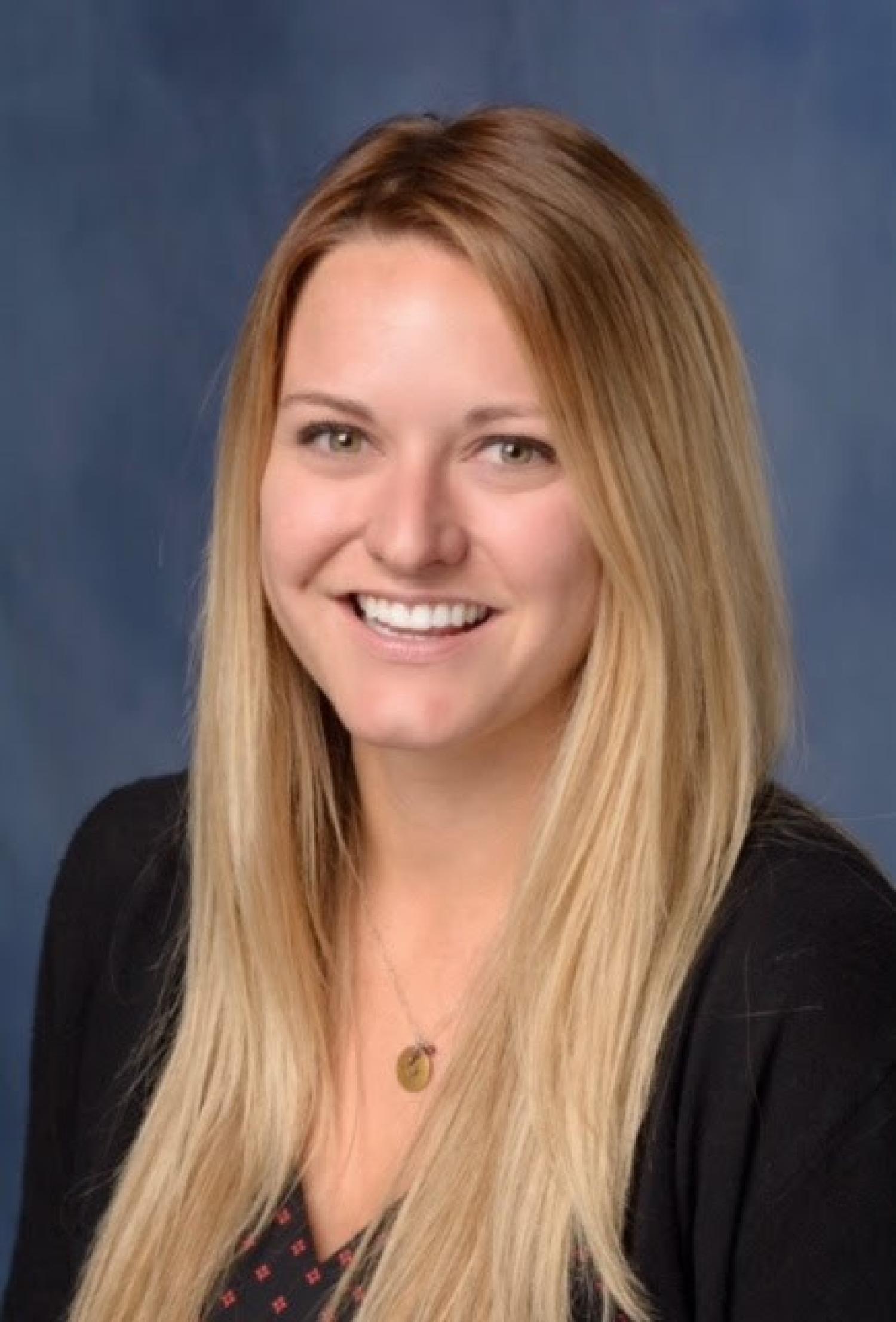 Sullan brings another perspective to the Center.
A psychologist by training and clinical researcher, Sullan began her undergraduate education studying international business. Her path changed after she returned to school for post-baccalaureate coursework at CU Denver and studied with faculty members Vivian Shyu, PhD, and Jim Grigsby, PhD. Their mentorship introduced her to neuropsychology and ultimately helped redirect her career. Years later, reconnecting with Grigsby brought her back into CU Denver’s orbit and introduced her to the Center. Sullan’s research experience includes traumatic brain injury and repetitive blast exposure. Hearing reports about people experiencing relief after psychedelic treatments led her to a fundamental research question: What does the evidence actually show? That question now drives much of what she hopes to contribute as director of clinical research.
“I'm very intrigued by the idea of a novel therapeutic option that could be helpful for patients who have not been helped by other treatments,” Sullan said.
Her interests include studying psychedelic treatments for people with histories of mild traumatic brain injury or concussion, including potential effects on psychological and neurobehavioral symptoms, pain, cognition and daily functioning. She is also interested in research surrounding microdosing and the mechanisms that might explain whether and how psychedelic interventions work.
For Sullan, rigorous research and human-centered care are inseparable. Clinical psychedelic research can involve extensive screening and medical histories, cognitive and psychological assessments, preparation, carefully designed treatment protocols, integration sessions and follow-up measurements. Researchers then analyze the results to determine not simply whether an intervention appears promising, but how strong the evidence is and how findings might eventually translate into clinical practice. Sullan is particularly interested in precision-based approaches that consider the individual factors people bring with them to treatment.
“I think a lot of my passion is in finding treatment options that actually work for patients with a wide range of symptoms and diagnoses. This means finding treatments that are scalable, affordable, and are evidence-based – meaning there is evidence from scientific research that the treatment effectively and safely helps to relieve symptoms,” she said.
Turning Ideas Into a Working Center
 Research centers also need people who can turn ideas into programs, proposals, budgets and functioning operations.
Washington brings about 20 years of health care experience to that side of the Center’s growth. Her career has included supporting physicians in anesthesia and working at Children’s Hospital Colorado with a family services department that included social workers, child life specialists, pastoral care staff and patient representatives. She later worked in family medicine, where she and Brown Levey helped build an integrated behavioral health program that brought psychologists into primary care settings. Washington holds a bachelor’s degree in human services, and her interest in making health care work better is personal.
As a young adult, she experienced a panic attack at work and went to an emergency room believing she was having a heart attack. When she later sought help through primary care, behavioral health services were not readily integrated into that setting. Years later, helping build a program that placed behavioral health professionals directly into primary care showed her how systems can change. That experience also shapes her interest in psychedelic research.
“I think being a part of this is really important,” Washington said. “And if it can help our community and help behavioral health or substance abuse, even stroke, anything like that, then I can help in a more innovative way. I think it's great to be on this cutting-edge research.”
At the Center, Washington is helping organize administrative operations, including budgets, websites and projects and proposals now taking shape.
Growing With Care and Integrity
Together, Brown Levey, Sullan and Washington arrive at an important moment for the Center. Their perspectives reinforce a common theme: Psychedelic research should move forward with curiosity, but also with rigor, safety and respect.
Sullan also emphasized the importance of recognizing that many psychedelic medicines have histories that long predate contemporary academic research. She wants the Center’s work to meaningfully recognize Indigenous knowledge and perspectives as the field develops.
“We can't move forward without having that voice be part of it,” Sullan said.
For a young research center, that combination of scientific inquiry, clinical experience, operational expertise and attention to access creates room to ask difficult questions rather than rush toward easy answers. Brown Levey sees the timing and location as particularly meaningful.
“There's a lot of wonderful people that we work with who have a lot of really good ideas,” she said. “It's a very exciting time, both nationally and especially at the state level. So, the fact that this center is here, it's at this university, it's in this state, it just feels very fortuitous.”
We are a comprehensive, transdisciplinary center focused on researching the basic science, therapeutic effects and mechanisms, and social, economic, and public health implications of psychedelic drugs and providing training to prepare the next generation of researchers, clinicians, and community leaders in the responsible and evidence-based use of psychedelic therapies.