
 At CU Denver, we believe in education that works for all-where curiosity meets opportunity and research drives real-world change. This spirit was on full display as our Anthropology graduate students and faculty took center stage at the 2025 Rocky Mountain Biological Anthropology Association (RMBAA) meetings on October 4.
Showing Innovation and Impact
Our MA students from the Department of Anthropology brought their passion and expertise to the RMBAA, sharing research that bridges the past and present:
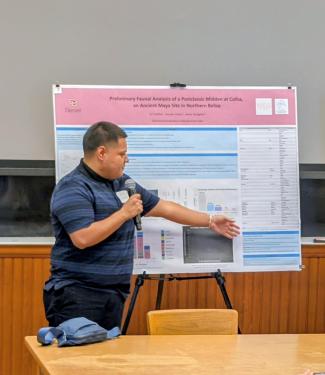
- SJ Cassillas, mentored by Dr. Jamie Hodgkins, presented a preliminary faunal analysis of a Postclassic midden at Colha, an ancient Maya site in Northern Belize. Their work sheds light on how ancient communities adapted to changing environments-connecting history to today's challenges.
- Bri Simmons, also guided by Dr. Hodgkins, explored the domesticated status of two sets of dog remains from the 10,000-year-old Jones-Miller Archaeological Site. This research deepens our understanding of human-animal relationships and the roots of community.
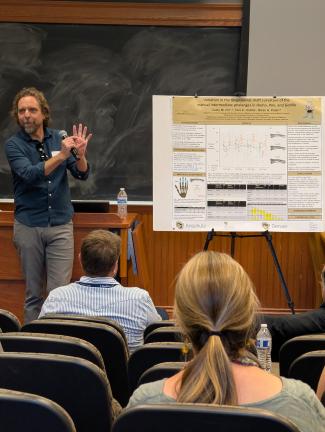
- Dr. Caley Orr, affiliated professor with CU Denver Anthropology and associate professor at CU Anschutz, shared insights on the variation in the longitudinal shaft curvature of the manual intermediate phalanges in Homo, Pan, and Gorilla. This innovative work advances our knowledge of primate evolution and human biology. Dr. Jamie Hodgkins also led a dynamic speed-mentoring session, guiding students through the graduate application process. This hands-on support reflects CU Denver's commitment to accessibility, inclusivity, and student success-empowering the next generation of changemakers.
Mentorship That Matters
Dr. Jamie Hodgkins also led a dynamic speed-mentoring session, guiding students through the graduate application process. This hands-on support reflects CU Denver's commitment to accessibility, inclusivity, and student success-empowering the next generation of changemakers. Caley Orr, affiliated professor with CU Denver Anthropology and associate professor at CU Anschutz, shared insights on the variation in the longitudinal shaft curvature of the manual intermediate phalanges in Homo, Pan, and Gorilla. This innovative work advances our knowledge of primate evolution and human biology.
 A Community of Real Optimists
From ancient dogs to primate bones, CU Denver scholars are driven by curiosity, rigor, and a desire to make a difference. Their work at RMBAA 2025 exemplifies our values: accessible education, innovative research, and a welcoming, inclusive community.
Ready to join a university where your ideas matter and your impact is real? Explore Anthropology at CU Denver and discover how you can shape the future.