
Explore a Degree in Health and Behavioral Science at CU Denver
In “Your Good Death,” medical sociologist Karen Lutfey Spencer explores how health care systems shape end-of-life decisions and why those conversations matter at every age.
Death may be one of the few experiences every person will eventually share. Talking about it is another matter.
For Karen Lutfey Spencer, PhD, a medical sociologist and professor in the University of Colorado Denver College of Liberal Arts and Sciences’ Department of Health and Behavioral Sciences, that reluctance has consequences. When serious illness arrives, patients and families can find themselves confronting complicated medical decisions while exhausted, frightened and unfamiliar with the systems shaping their options.
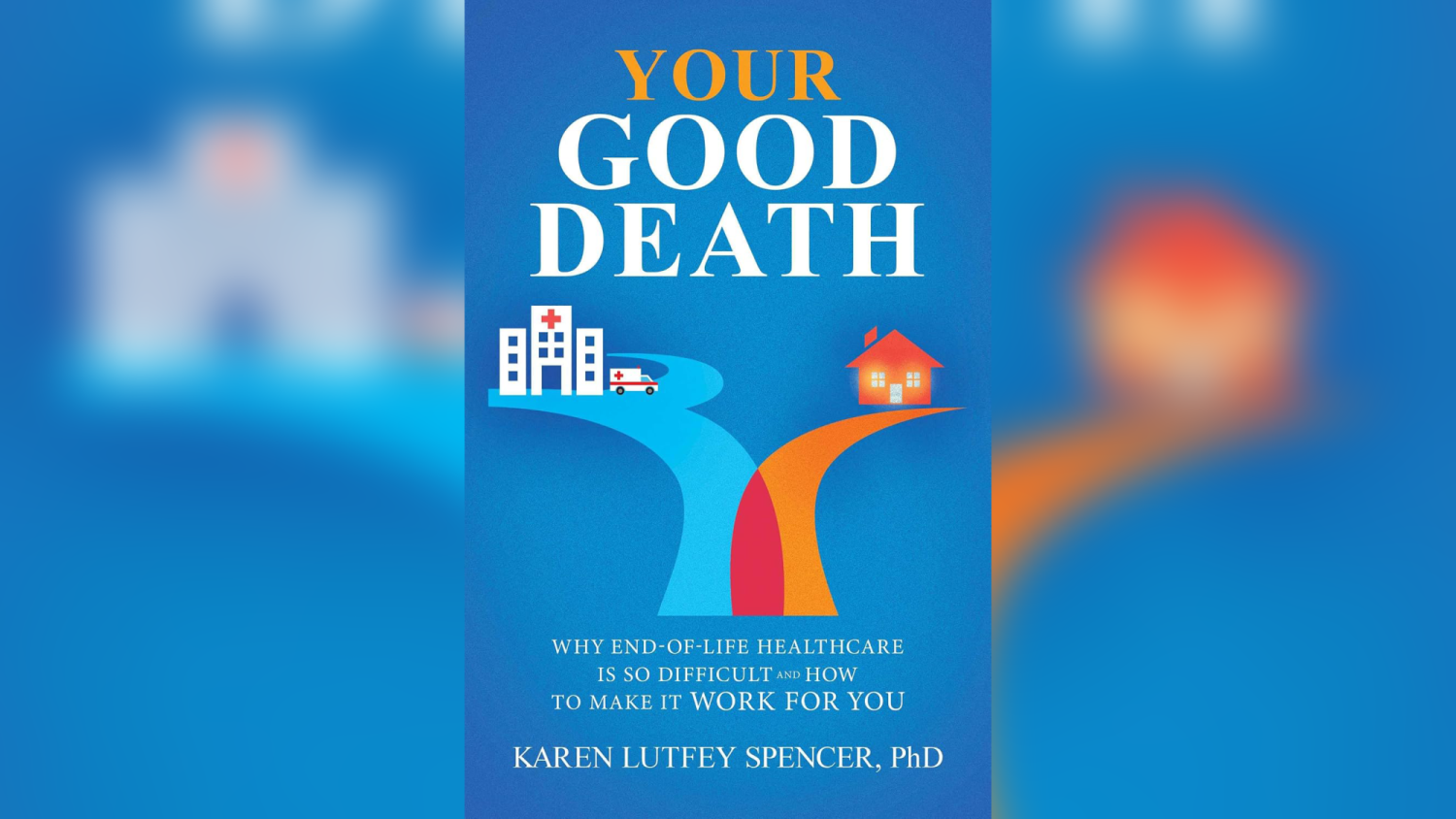
Spencer’s new book, “Your Good Death: Why End-of-Life Healthcare Is So Difficult and How to Make It Work for You,” published Sept. 1. 2026, by Regalo Press, asks readers to start those conversations earlier. Part research, part personal story, and part practical guide, the book draws on more than a decade of Spencer’s research and more than 100 interviews with patients, family caregivers, physicians, hospice workers and doulas. It also draws on Spencer’s experience helping her own mother navigate serious illness. The result challenges a familiar idea about end-of-life care: that people simply decide what they want and the health care system carries out those wishes.
“Many of the problems we are facing come from systems and policies, not from us and our choices,” Spencer writes.
Why End-of-Life “Choice” Can Be Complicated
Most Americans say they would prefer to die at home, yet only about a third do, according to materials accompanying Spencer’s book. That gap became one of the questions driving her research. Spencer studies medical decision-making, doctor-patient relationships, and health disparities, with particular attention to the ways inequality can emerge within health care. Her work on end-of-life care examines what happens when personal preferences encounter the realities of treatment culture, insurance rules, medical policies, family circumstances, and other institutional forces.
Her book argues that having options is not necessarily the same thing as having control.
Modern medicine is built, in large part, around treating disease and extending life. Those goals can save lives, but Spencer examines how the same momentum toward intervention can make it harder for patients and families to step back and ask different questions: What does quality of life mean to me? What tradeoffs am I willing to make? What happens if treatment works? What happens if it does not?
Spencer describes the book as a research-based guide for getting more of what people want at the end of life, including steps people can take while they are still healthy.
Caregiving Is Part of the End-of-Life Story
Spencer also wants the conversation to include people whose experiences can become almost invisible when attention centers on the patient: caregivers.
“If someone wants to die at home, who is going to provide the care? Who has the time? Who can afford to take time away from work?” are among the questions Spencer raises when discussing the realities behind end-of-life preferences.
Caregiving can affect employment, finances and physical and mental health. Those burdens are not distributed evenly. Spencer points to women, people of color and young people as groups that can carry significant caregiving responsibilities. That makes end-of-life education relevant well beyond older adults. Spencer notes that millions of young people are caregivers today. For someone in Gen Z, caregiving might mean helping a parent, grandparent, sibling or another loved one manage medications, appointments and daily needs while also navigating school, work and the beginning of adult life. Yet conversations about hospice, palliative care, serious illness and death are often directed toward older adults. Waiting to share that knowledge, Spencer argues, can leave younger caregivers without tools that might help them understand what is happening, ask questions and advocate for themselves and their families.
“Many of the problems we are facing come from systems and policies, not from us and our choices,” Spencer writes.
Research Becomes Personal
Spencer has studied health care for more than 25 years. Her path toward this book, however, became deeply personal when her mother was dying from a brain tumor. Spencer had already lost her father when she was in her 20s. As her mother’s main long-distance caregiver, she began seeing connections between her professional research and what her own family was experiencing.
“I realized how many of the issues I had been studying throughout my career were also relevant for end-of-life care,” Spencer wrote about the experience. She began the formal research project that eventually became “Your Good Death” in 2014.
Initially, that research resulted in scholarly articles. But Spencer came to believe academic publications alone could not adequately capture what patients and families were experiencing. Each chapter of “Your Good Death” centers a patient’s story, allowing readers to see both the medical and nonmedical parts of an end-of-life journey. Spencer combines those experiences with social science research to examine how systems can complicate decisions that are often described simply as matters of individual choice.
Preparing Before the Crisis
“Your Good Death” is not an argument that everyone should make the same end-of-life choices. Instead, Spencer encourages people to think about what matters to them and learn enough about the health care system to advocate for those priorities. That means understanding the differences between hospice and palliative care, considering what quality of life means personally, talking with loved ones and learning which questions to ask health care providers. It also means going beyond paperwork.
Advance directives can be important, but Spencer argues that preparing for serious illness requires more than completing forms. Patients and families also benefit from understanding how medical decisions unfold and where they may need to stop, ask questions or request alternatives. Those conversations can feel uncomfortable when everyone is healthy. That may also be exactly when they are most useful.
How to Meet Your Moment
You do not need to be facing a terminal diagnosis to begin thinking about end-of-life care. Spencer’s work offers a practical starting point: talk about values before talking about specific medical procedures. What makes life meaningful to you? What would an acceptable quality of life look like? Who would you trust to speak for you? What would the people closest to you need to know?
Learn the basics of palliative care and hospice before your family needs them. If you are a caregiver, ask questions about your own needs and limitations, too. And remember that asking for information is not the same as giving up on treatment. The goal is not to predict every medical decision you might someday face. It is to be better prepared when those decisions arrive.
Exploring This Topic as a Student
Spencer’s work also demonstrates the reach of health and behavioral sciences. Medical sociology connects questions about individual health with larger questions about institutions, inequality, policy, culture and human behavior. Students studying health and behavioral sciences can build skills in research, data analysis, health policy, communication and understanding how social conditions affect health. Those skills can lead to work in public health, health care organizations, government, nonprofits, research, community health and graduate study.
Spencer’s career offers another possibility: research can move beyond academic journals and into public conversations that help people navigate difficult moments in their own lives. With “Your Good Death,” she is bringing decades of research directly to patients, families and caregivers. And she is asking readers not to wait for a crisis to begin the conversation.
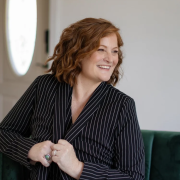 Karen Lutfey Spencer will speak about and sign her new book, Your Good Death: Why End-of-Life Healthcare Is So Difficult and How to Make it Work for You, on Thursday, October 1st at 6:30pm, at Boulder Bookstore. She will be in conversation with Meghan Rabbitt for this special event.
Get Tickets to Karen's Discussion at the Boulder Bookstore Explore Health and Behavioral Sciences